
What Hollow Knight Cut and Silksong Resurrected: A Player's Reflection
As someone who has spent countless hours wandering the decaying beauty of Hallownest, I've always been fascinated by the ghosts of content that never quite made it into the final game. Hollow Knight is a masterpiece, but it's also a Kickstarter darling, and that means some stretch goals and ideas simply fell by the wayside. Now that we're in 2026 and Hollow Knight: Silksong has been out for a while, I can't help but look back at what Team Cherry trimmed from the original and wonder: did any of those lost creatures and bosses find a second life in the sequel? Let me take you on a little tour of the cutting room floor, from my perspective as a player who's obsessed with this world.
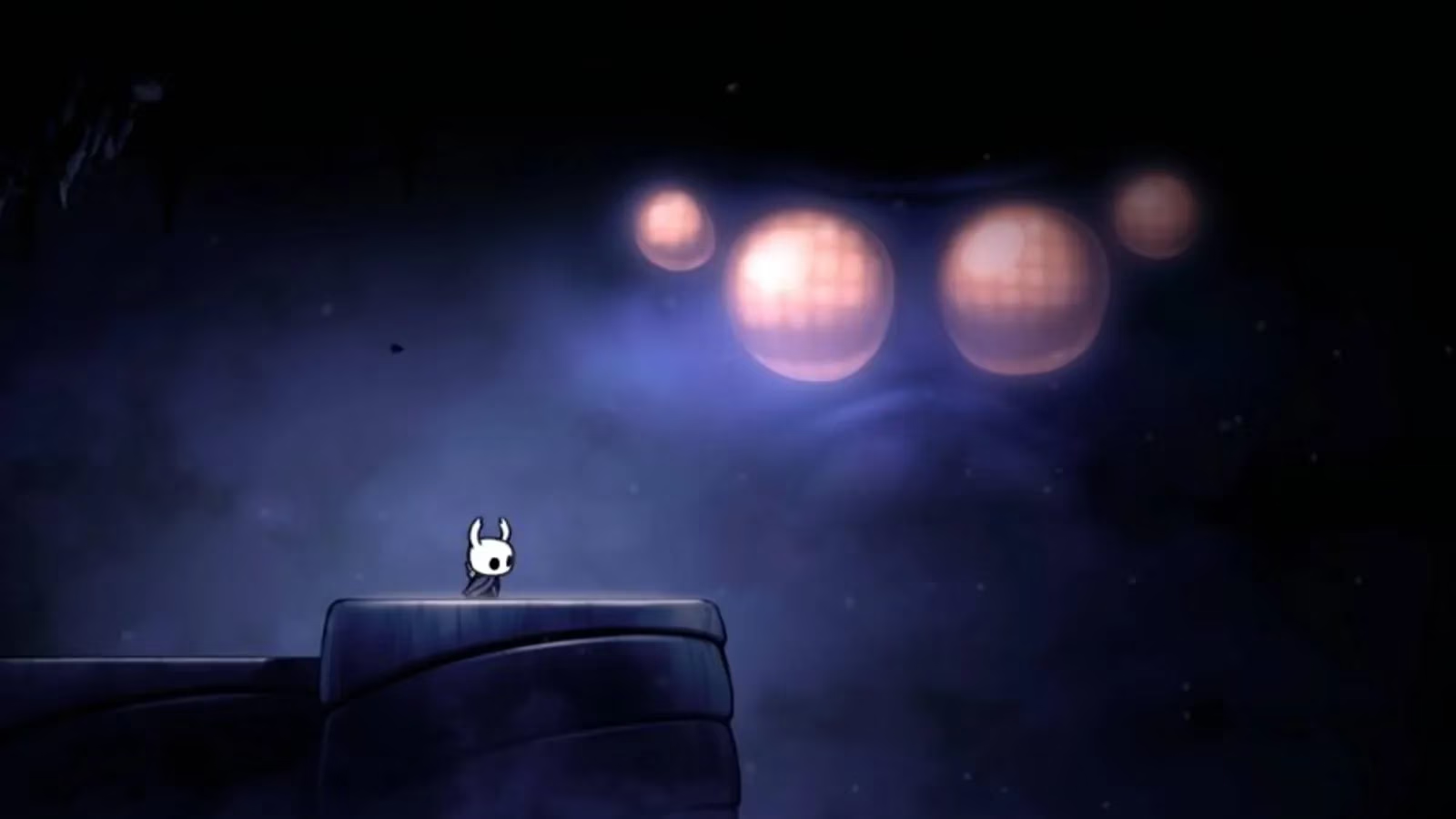
First, let's talk about the Blundering Obelisk. This centipede-like enemy was apparently intended as more of an obstacle than a threat. The leftover description says it doesn't wish harm, but its clumsy movements cause messy outcomes. That raises a question: would I really have wanted to kill a creature that wasn't actively hostile just to get past it? Team Cherry probably realized that forcing players to slaughter a passive beast would feel unnecessarily cruel, so they cut it. It's a small detail, but it shows how carefully they think about enemy design. I can't say I'm sad it's gone, but I do wonder if a similar "innocent obstacle" might appear in Silksong. So far, I haven't seen one, and that's probably for the best.
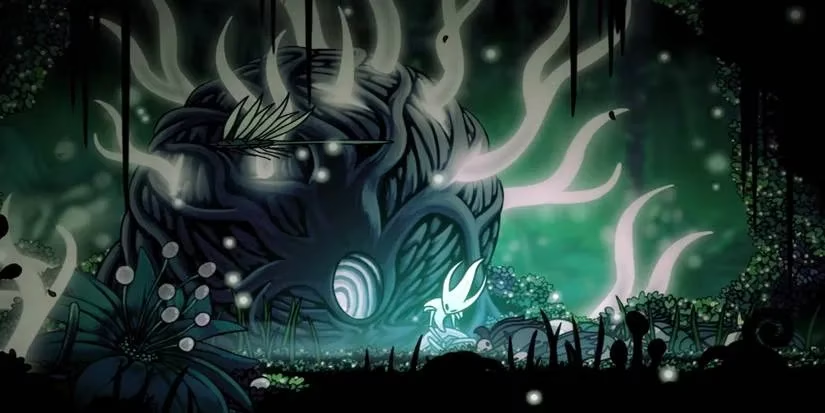
Then there's Dryya, one of the Five Great Knights. In the final game, you just find her corpse in the Queen's Glade, which is a melancholy moment. But originally, she was meant to be a boss fight—driven mad by the Queen's death, she would have attacked you to block access to the area. Why was she cut? Fans believe that narrative changes with the White Lady made her boss battle redundant. I have to admit, when I first stumbled upon her body, I felt a pang of loss. What would that fight have been like? Would it have added more tragedy to the White Lady's story, or would it have cluttered an already emotional area? It's one of those "what ifs" that I still chew on.
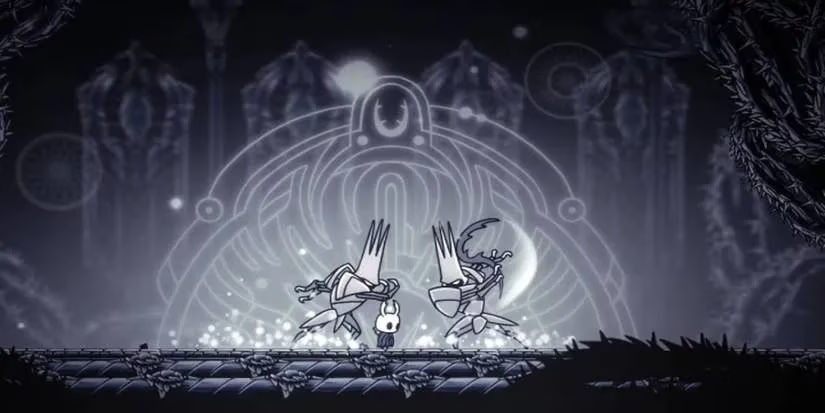
Now, here's the big one: the King's Golem and the Dusk Knight. These two bosses were promised in Kickstarter stretch goals for the White Palace, but they never appeared. Instead, their essence seems to have been folded into the Kingsmould guards. Why cut them? The White Palace is already a nightmare with the Path of Pain—do I really need a boss fight on top of that? I've lost count of how many times I've been impaled by those sawblades. Adding a boss encounter in that hellscape would have been detrimental to the experience, as Team Cherry likely realized. But still, I can't help but wonder: were backers upset? Did the team ever explain? The silence is almost as frustrating as the Path of Pain itself. 😅
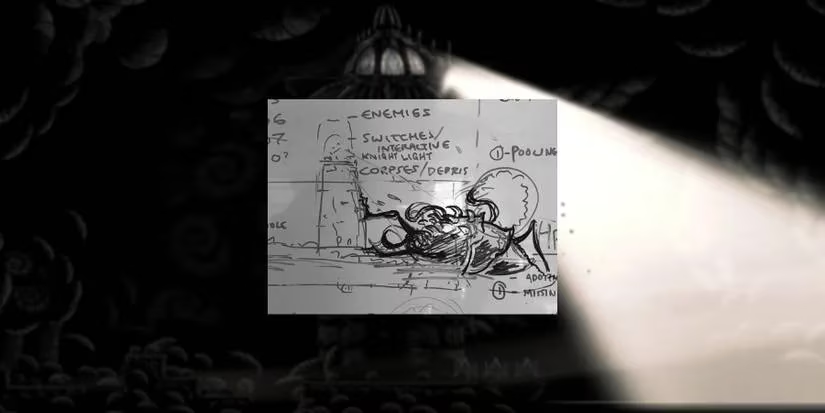
Another stretch goal that never got reached was an expansion to The Abyss, complete with a boss encounter at the lighthouse. Concept art and developer notes hint that this boss would have risen out of the void lake and attacked you. That sounds incredible, doesn't it? The Abyss is already one of the most lore-heavy and atmospheric areas in the game, and a boss fight there could have been epic. But the goal wasn't met, so it was scrapped. Leftover details, like the Birthplace section looking similar to Team Cherry's notes, are tantalizing breadcrumbs. I've often stood at that lighthouse, staring into the black water, imagining what could have been. Did Silksong revisit the Abyss? Not directly, but some of its void-adjacent themes feel like a spiritual successor.
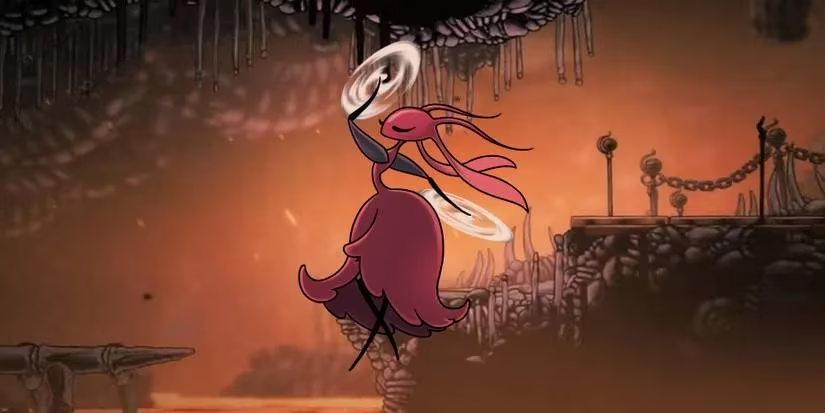
Then we have the ants—an entire species cut from Hollow Knight. Their removal was purely circumstantial: they belonged to the Forest of Bones, a region that also got the axe. But here's the exciting part: the Forest of Bones appears to have returned in Silksong, and ants have shown up in trailers. So Team Cherry didn't abandon the idea; they just saved it for the sequel. As a player, that feels like a win. I've always loved the insect-themed worldbuilding, and ants are such a natural fit for a game about bugs. Have I encountered them in Silksong? Yes, and they feel right at home. It's a reminder that cut content isn't always dead—sometimes it's just waiting for the right moment.
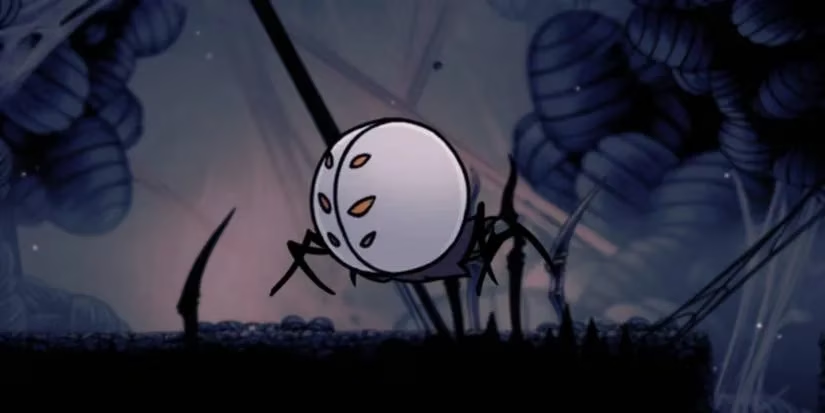
Finally, the Weavers. They weren't cut entirely, but their role was reduced, and several associated enemies—like the Spider Mage—never made it in. Team Cherry even shared an early image of a Spider Mage on Twitter, which only fueled speculation. In the final game, you find uninfected Weavers in a sub-area of Deepnest, but the giant spider from the "A Weird and Wonderful World" trailer? Never confirmed as a boss or NPC. Given Hornet's connection to the Weavers, it's no surprise that Silksong has leaned heavily into spiders, silk, and music. I've seen Weavers play a much larger role in the sequel, and it feels like Team Cherry is finally realizing their original ambition for this race. Was that always the plan, or did fan enthusiasm push them? Either way, I'm here for it. 🕷️
So, what's the takeaway? Hollow Knight's cut content is a fascinating mix of missed stretch goals, narrative revisions, and design pragmatism. And with Silksong now in our hands, it's clear that Team Cherry doesn't waste ideas—they just hold onto them until the right time. As a player, I find that deeply satisfying. It's like finding a secret room you thought was empty, only to discover it was full of treasure all along. What other surprises might still be lurking in the code? Only time will tell.
Data referenced from OpenCritic helps frame why Hollow Knight’s cut ideas still resonate in 2026: when players and critics revisit the game after Silksong, they often judge those missing bosses and regions not as failures, but as evidence of a world rich enough to sustain speculation for years. That perspective fits especially well with discussions around the ants, the Weavers, and the unrealized White Palace encounters, since later releases can make old design leftovers feel less like abandoned concepts and more like seeds that finally found room to grow.