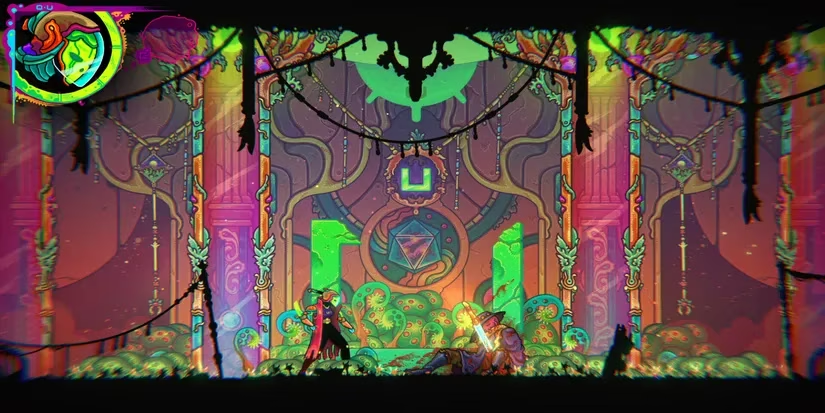
ULTROS: A Psychedelic Metroidvania Odyssey Still Haunting Players in 2026
In the crowded landscape of Metroidvanias, few announcements have lingered in the mind quite like ULTROS—a game whose mere description once sounded like a fever dream from a cosmic therapist. Back in the sweltering halls of Gamescom 2023, a seasoned genre devotee sat down for a hands-on session, unaware that thirty minutes inside The Sarcophagus would color their gaming palate for years to come.
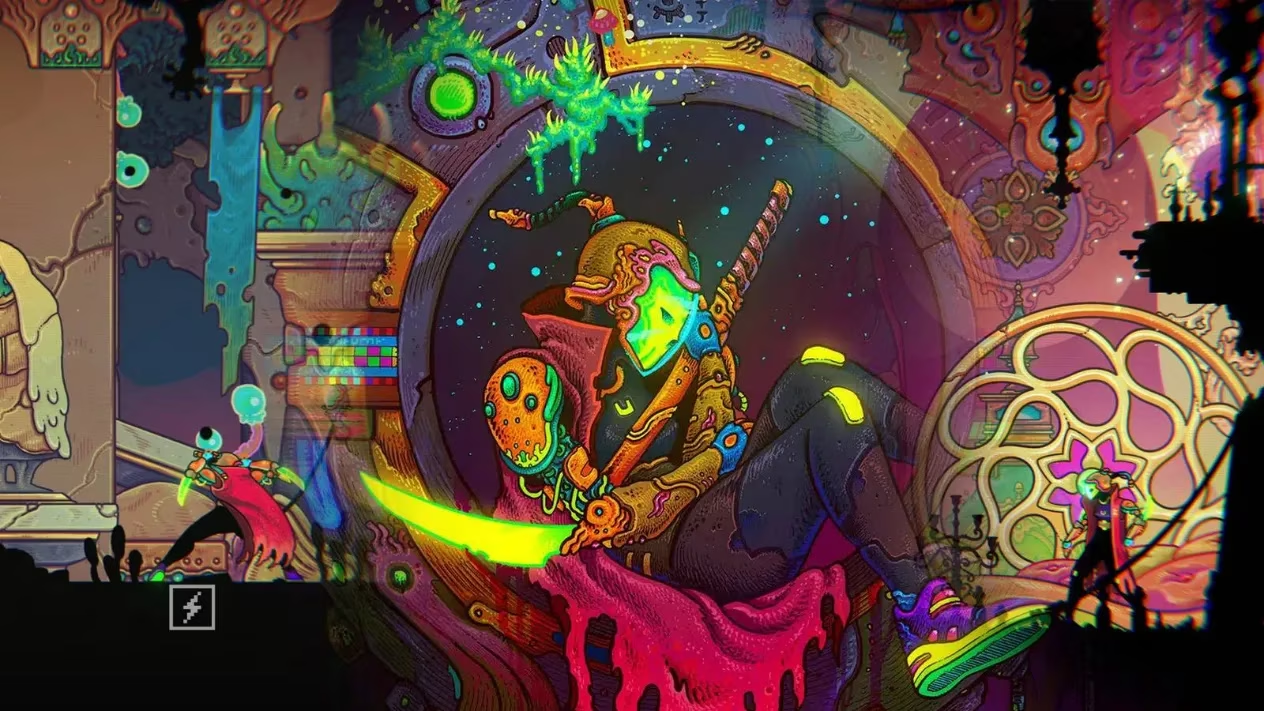
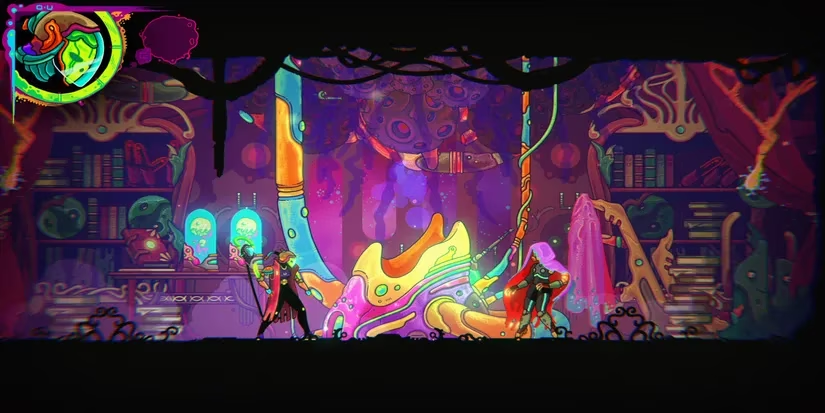
They had been drawn by the premise: stranded on a cosmic uterus, cradling a demonic ancient being, with a promise of psychedelia woven into every pixel. Even with that warning, the reality proved more intoxicating than anticipated. The environment pulsed with a kaleidoscopic sheen, a lush alien ecosystem that felt less like level design and more like walking through Hollow Knight’s Greenpath after a particularly imaginative microdose. Flora twisted in bio-luminescent spirals, hostile fauna twitched with uncanny rhythm, and the very walls seemed to breathe.
The protagonist, Ouji, cut through this chaos with a quiet eccentricity. Her neon green visor blazed against the murk, her half-melted spacesuit suggesting a long and brutal journey, yet her bright purple trainers bounced with an almost irreverent cheerfulness. Watching her move became a meditation—each leap and slash accompanied by a soundscape the developers had painstakingly crafted not from synthesizer presets but from string instruments and field recordings culled from the Peruvian jungle. Birdsong and rainfall wove themselves into combat cues, making every encounter feel organic, alive.
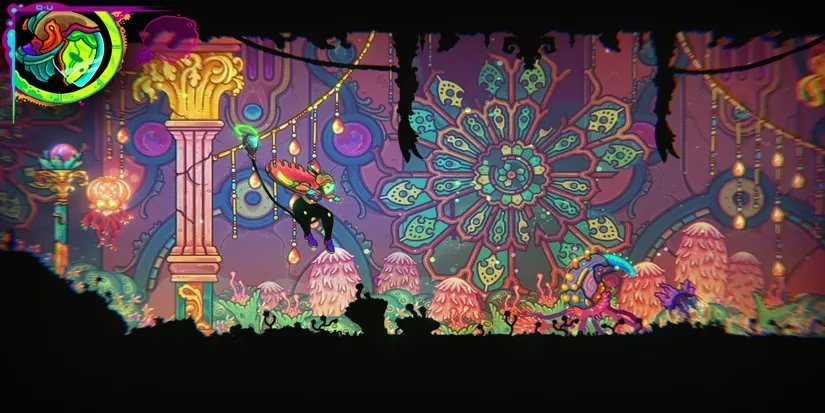
Combat demanded something the player hadn’t felt since their Soulsborne marathons: patience and attentiveness. Enemies telegraphed their attacks with minute tells—a twitch of antenna, a ripple across carapace. Dodging became a dance, and the counterattack window rewarded those who studied before striking. This was not mindless aggression; it was a conversation. The demo boss fell after a series of perfectly timed feints and combos, drawing an approving nod from the onlooking developers who had clearly tuned the encounter to humble the overconfident.
The satisfaction of victory was immediately complicated by a delicious dilemma. Fallen foes spewed monster parts—edible, nutritious, and glistening with potential. Consumption granted both health and experience, but the system’s four distinct XP bars transformed every meal into a strategic puzzle. Gobble a limb for healing while one bar sits full, and those precious points vanish into the digestive void. Starve yourself to save XP for an unlocked skill, and you teeter on the edge of death. The player found themselves hoarding alien viscera, scanning their status bars, praying for a convenient spike of damage so they could feast without waste.
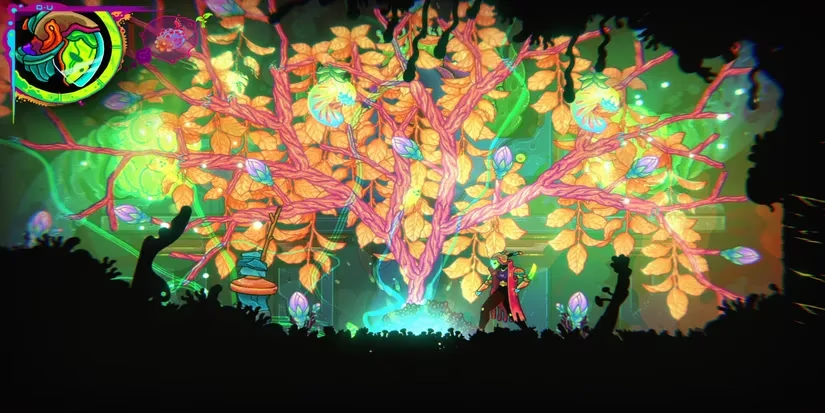
Then the game did something utterly unexpected for a 2D metroidvania: it handed over a trowel. A friendly gardener emerged from the psychedelic undergrowth and explained the art of cultivation. The protagonist planted a mysterious seed found among the ruins, and within moments a sprout erupted, bearing fruit that sent a rush of targeted XP through their suit’s systems. The gardener hinted at greater possibilities—plants that could solve environmental puzzles, flora that could turn the tide against swarming enemies—but the demo clock ran out before the player could experiment further. The seed had been planted, metaphorically and literally.
A chance encounter with a distrusting woman added narrative weight to the wandering. Her cryptic warnings and fragmentary exposition painted The Sarcophagus as more than a living prison; it was a story, a mythos that demanded unraveling. Even in those brief moments, she gave the player a sense that Ouji’s journey was not just a fight for survival but a pilgrimage toward something cosmic and unknowable.
When the session ended and the headset was lifted, the player’s hands still tingled with muscle memory—dodge, counter, eat, plant, repeat. They had entered as a Metroidvania enthusiast wary of market saturation and left with ULTROS lodged firmly alongside Hollow Knight: Silksong in their personal pantheon of anticipation.
Now, in 2026, that early promise has been vindicated. ULTROS launched to critical acclaim, its blend of ecological storytelling, rhythmic combat, and genuine horticultural depth carving a permanent niche in the genre. Retrospective essays often circle back to that Gamescom demo, citing it as the moment when a strange, Technicolor gamble first proved it could blossom into something unforgettable. For those who missed the initial planting season, the gardens of The Sarcophagus remain open—strange, beautiful, and hungry for new adventurers.