
Ten Hidden Game Endings That Punish Deliberate Cruelty in 2026
In modern video games, multiple endings usually advertise their existence through morality meters, faction choices, or explicit warnings. A rarer and more unsettling category exists, however: endings that are buried behind precise, often cruel actions and that punish players for chasing them. As of 2026, these routes remain favorites among completionists and ending hunters because they demand deliberate effort rather than accidental discovery. The ten examples below range from arcade-era secrets to modern cult classics, and each one turns curiosity into a narrative disaster.
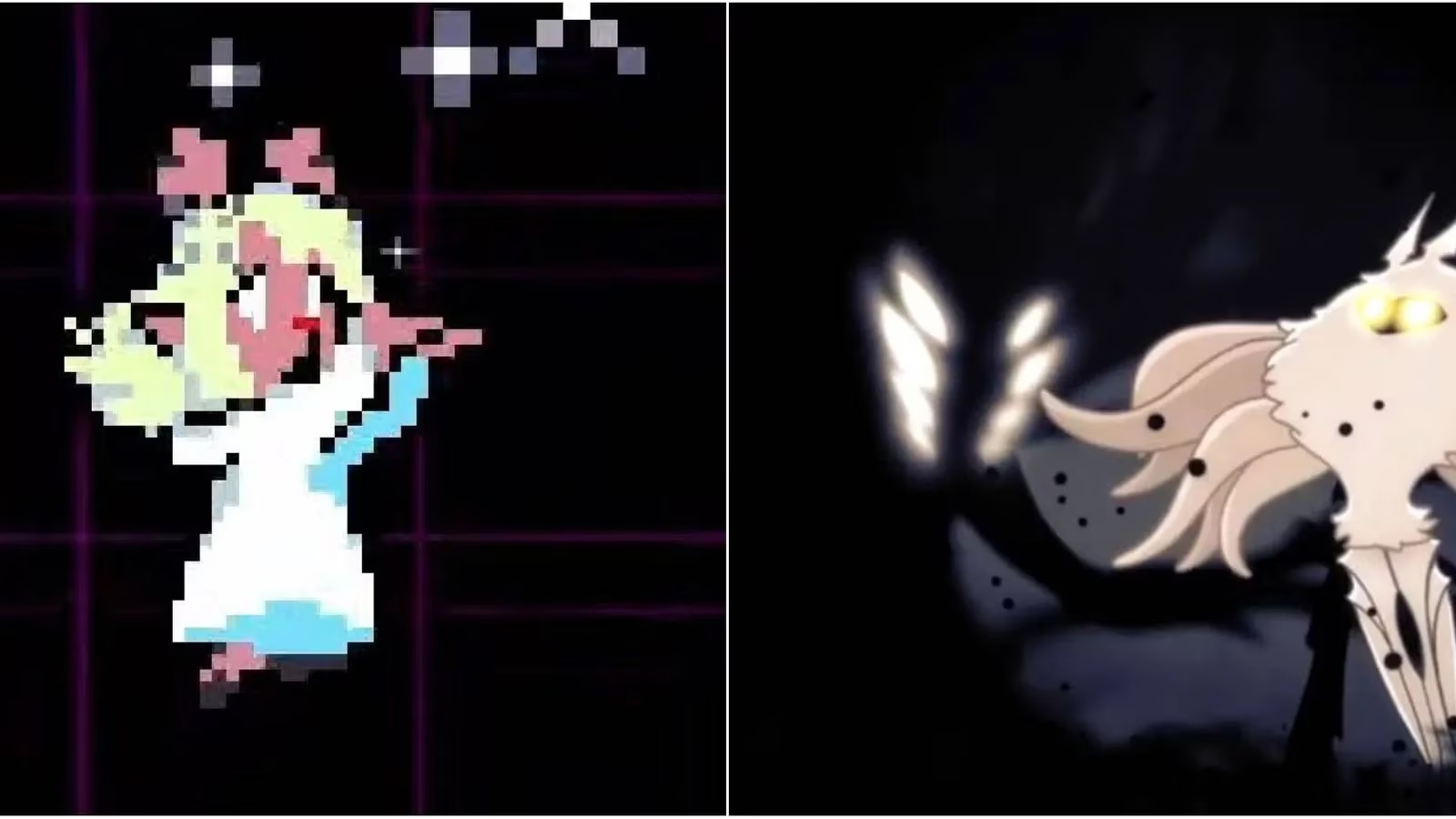
10. Zombie Sophie — The House of the Dead
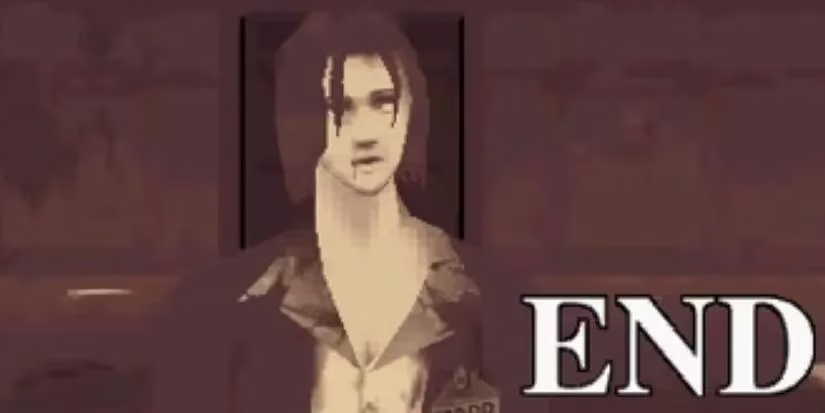
The original arcade version of The House of the Dead offered two outcomes for Sophie: one in which she escapes Curien Mansion alive, and one in which she rises as a zombie. The zombie ending requires players to finish the game without using any continues. That sounds simple until the second condition appears: the good ending triggers at a total score above 62,000 points, and qualifying for the good ending locks out the bad one. Players must therefore inhabit a strange middle ground—good enough to survive without continues, bad enough to stay under the score threshold. It is a secret ending built on failure disguised as success.
9. The End of the World — Wandersong
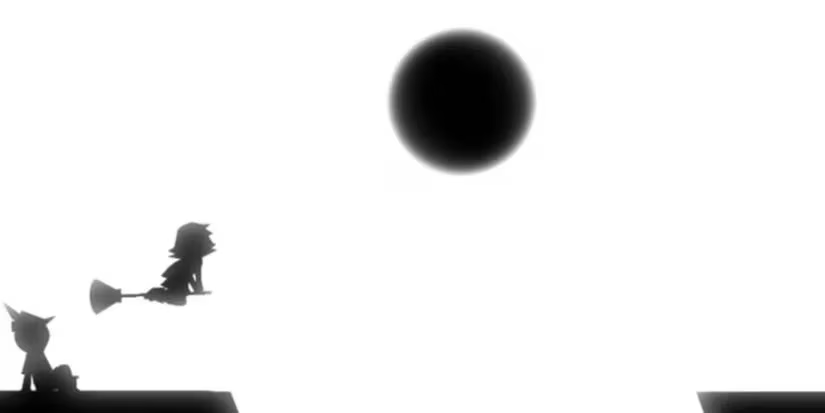
Wandersong normally asks the Bard and Miriam to learn the Overseer song from locals in each story arc before entering the Spirit World. Technically, players can skip that social and musical journey and go directly to each Spirit World entrance if they already know the melodies. The game never presents this as an option, and the reason is severe. By bypassing the Bard’s arcs, players also bypass the friendships and connections that make the finale possible. When Audrey kills the Nightmare King, nobody is present to sing the song that saves the universe. The Bard and Miriam can only watch as everything evaporates. It is a bad ending earned through impatience, not malice.
8. Luigi’s Tent — Luigi’s Mansion
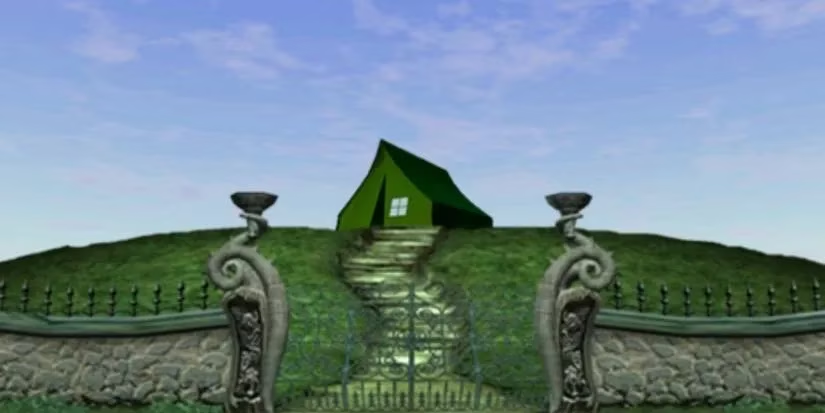
Luigi’s Mansion hides coins, bills, and gemstones throughout its haunted rooms, and most players collect them without thinking. Professor E. Gadd uses that money to build Luigi a proper home after King Boo is defeated. Players who deliberately avoid amassing a fortune, however, can leave E. Gadd short of funds. The infamous result is a crummy tent on a hill instead of a house. The route is difficult precisely because money is easy to pick up by accident, which makes the tent ending a monument to intentional poverty in a game about ghost hunting.
7. Embrace the Void — Hollow Knight
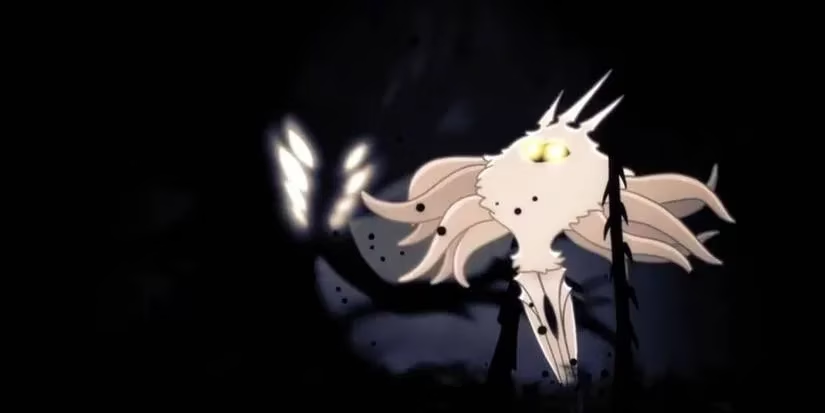
Hollow Knight’s base endings are melancholy but not objectively horrible. The Godhome expansion changes that with the Embrace the Void ending. To see it, players must complete the Pantheon of Hallownest, a boss rush that includes enhanced versions of every boss in the game, fought rapid-fire without dying. That means surviving upgraded fights against Nightmare King Grimm, The Radiance, and many others. After defeating Absolute Radiance, the Knight becomes a gigantic avatar of the Void, tears her apart, and floods Godhome with inky darkness. That darkness then surges out of the Godseeker in reality, consuming everything nearby. The Hollow Knight also emerges from the Black Egg in front of Hornet, which is disconcerting to say the least.
6. Perfect Crime — Heavy Rain
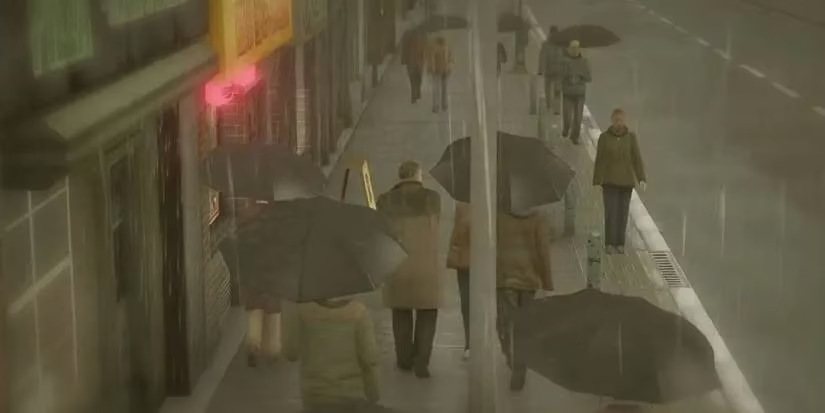
Heavy Rain is built around identifying the Origami Killer and bringing the culprit to justice. The Perfect Crime ending asks players to do the opposite. By making protagonists act against their own goals, players can wipe away fingerprints, allow a robber to kill an innocent, let Ethan get arrested, and leave Shaun to die. If enough of these terrible decisions are completed, every protagonist ends up dead while the Origami Killer walks away completely free. It is a route that requires players to betray the story’s emotional logic at every turn.
5. Genocide — Undertale
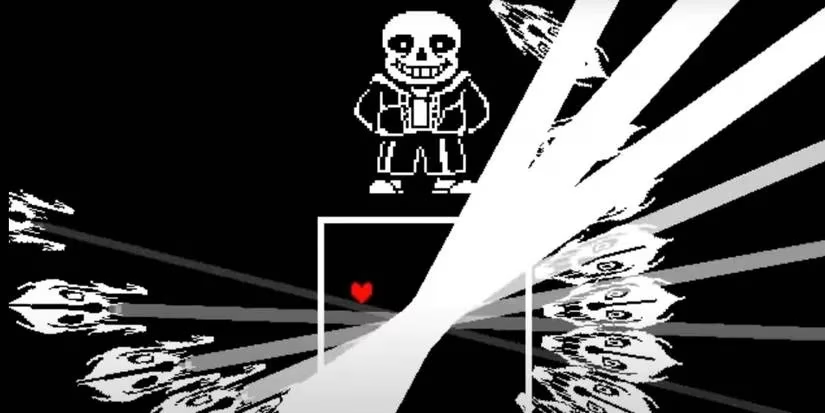
Undertale’s Genocide route is one of the most famous bad endings in modern gaming. Players must deliberately empty every single screen of its encounters until enemies stop appearing entirely. The process is time-consuming, and it replaces several bosses with much harder variants, culminating in the exhausting Sans fight. At the end of the route, Flowey addresses the player directly and delivers a severe dressing down for committing atrocities just to see what happens. The ending is less a secret and more a mirror held up to completionist curiosity.
4. The Red Cloud — Fallout: New Vegas
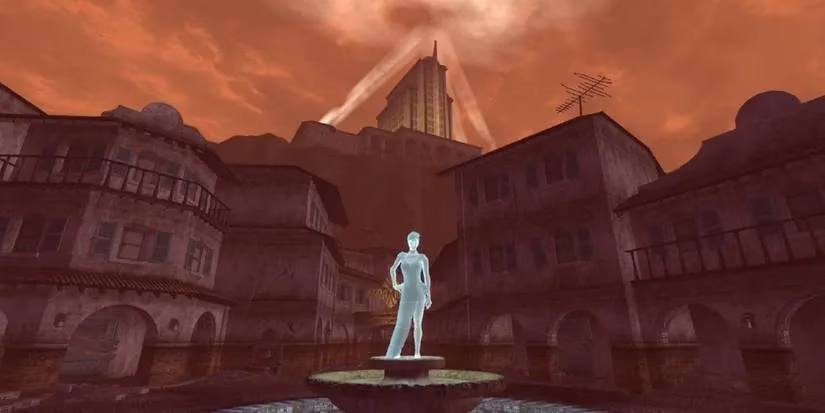
In the Dead Money DLC for Fallout: New Vegas, Elijah menaces players throughout the Sierra Madre resort. Under a very specific set of conditions, including being vilified by the NCR and discussing Elijah at length with Veronica, players can speech-check him into teaming up. That decision unleashes the Sierra Madre’s red cloud on the Mojave. Elijah’s invulnerable holograms destroy opposing factions and wipe out the remaining signs of post-apocalyptic civilization. It is a bad ending that requires players to ignore every warning about Elijah’s fanaticism and hand him exactly what he wants.
3. Conquest — Hyperdimension Neptunia Mk2

The Neptunia series is generally lighthearted, even at its climaxes. Hyperdimension Neptunia Mk2 allows players to take a very different trajectory. By pursuing a particular questline for a god-slaying magic sword, Nepgear must kill all the CPUs and CPU Candidates, including her own sister. The route is a series of extremely difficult boss fights punctuated by miserable death scenes. Once Nepgear has the empowered sword, she confronts Arfoire, but Arfoire does not even bother fighting because the CPUs are already dead. Nepgear becomes the sole ruler of Gamindustri, a world that is officially on borrowed time without its goddesses.
2. Accomplice — Persona 4 Golden
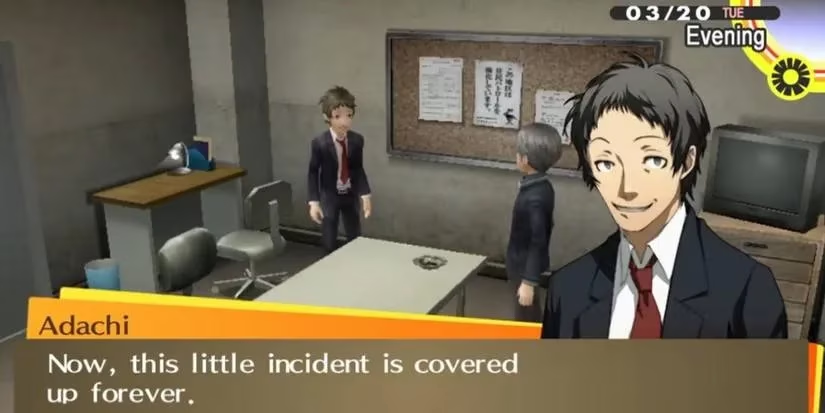
Persona 4 Golden added the ability to form a social link with Adachi, which makes him more sympathetic but does not change the fact that he is a murderous sociopath. If players value that relationship above everyone else in Inaba, they can become his accomplice and leave the town to its foggy fate. The route requires maxing out Adachi’s social link and selecting a very particular set of dialogue choices when determining the culprit. It is a bad ending that grows out of misplaced loyalty and a refusal to accept the truth.
1. Snowgrave — Deltarune Chapter 2
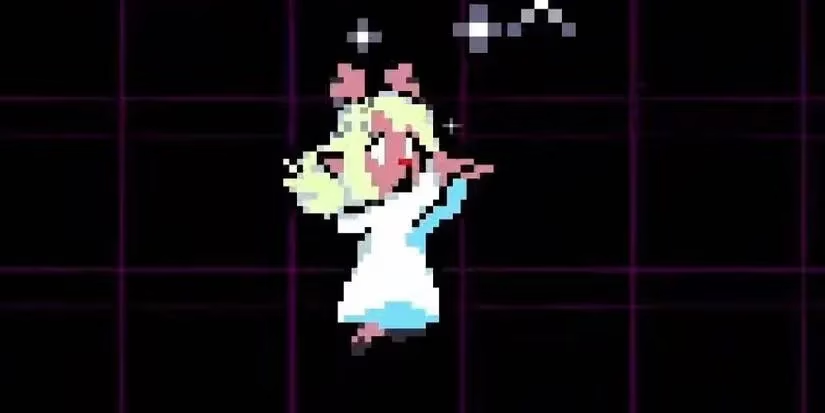
Deltarune Chapter 2 hides the Snowgrave route behind a shocking amount of deliberate cruelty. Players must make Noelle freeze every enemy in the game with her ice attacks, backtrack significantly, grind money for a prohibitively expensive item, and goad her into making terrible decisions. The route culminates in forcing Noelle to freeze Berdly solid, either killing him or leaving him comatose. She runs off, and the final encounter with Queen is replaced by a changed battle against Spamton NEO. It is less overtly gory than Undertale’s Genocide route, but the psychological manipulation gives it a similarly unsettling weight.
Summary Table
| Game | Ending | Core Trigger | Result |
|---|---|---|---|
| The House of the Dead | Zombie Sophie | Finish without continues while scoring under 62,000 | Sophie becomes a zombie |
| Wandersong | The End of the World | Skip learning the Overseer song | The universe evaporates |
| Luigi’s Mansion | Luigi’s Tent | Avoid collecting enough money | E. Gadd builds a tent |
| Hollow Knight | Embrace the Void | Complete Pantheon of Hallownest | Void consumes Godhome and reality |
| Heavy Rain | Perfect Crime | Help the Origami Killer | Protagonists die, killer escapes |
| Undertale | Genocide | Empty every screen of encounters | Sans fight and Flowey’s condemnation |
| Fallout: New Vegas | The Red Cloud | Ally with Elijah in Dead Money | The Mojave is overrun |
| Hyperdimension Neptunia Mk2 | Conquest | Kill all CPUs and CPU Candidates | Nepgear rules a doomed world |
| Persona 4 Golden | Accomplice | Max Adachi’s social link and choose specific dialogue | Inaba is left to the fog |
| Deltarune Chapter 2 | Snowgrave | Force Noelle to freeze every enemy | Berdly is frozen and Spamton NEO appears |
These endings share a design philosophy that remains relevant in 2026. They are not rewards in the traditional sense. They are tests of resolve, and they often require players to act against natural empathy, curiosity, and narrative momentum. Completionists should note that several of these routes are mutually exclusive with better outcomes, which makes each one a commitment to a worse world. That is exactly why they endure: they turn the search for secrets into a moral exercise, and they remind players that some doors are hidden because opening them causes harm.