
Lost Epic and Nine Indie Side-Scrollers Worth Your Time in 2026
For players who tore through Lost Epic and came out hungry for more, the craving is specific: brisk side-scrolling combat, anime-flavored art, and RPG systems that reward curiosity without burying the player in spreadsheets. In 2026, that craving is still easy to satisfy. The indie scene keeps churning out bangers, and the best games in this lane bring their own flavor while keeping the moment-to-moment action tight. From gothic metroidvanias to pixel-art bruisers, these titles are the real deal — and a few of them hit harder than some big-budget releases. 🎮
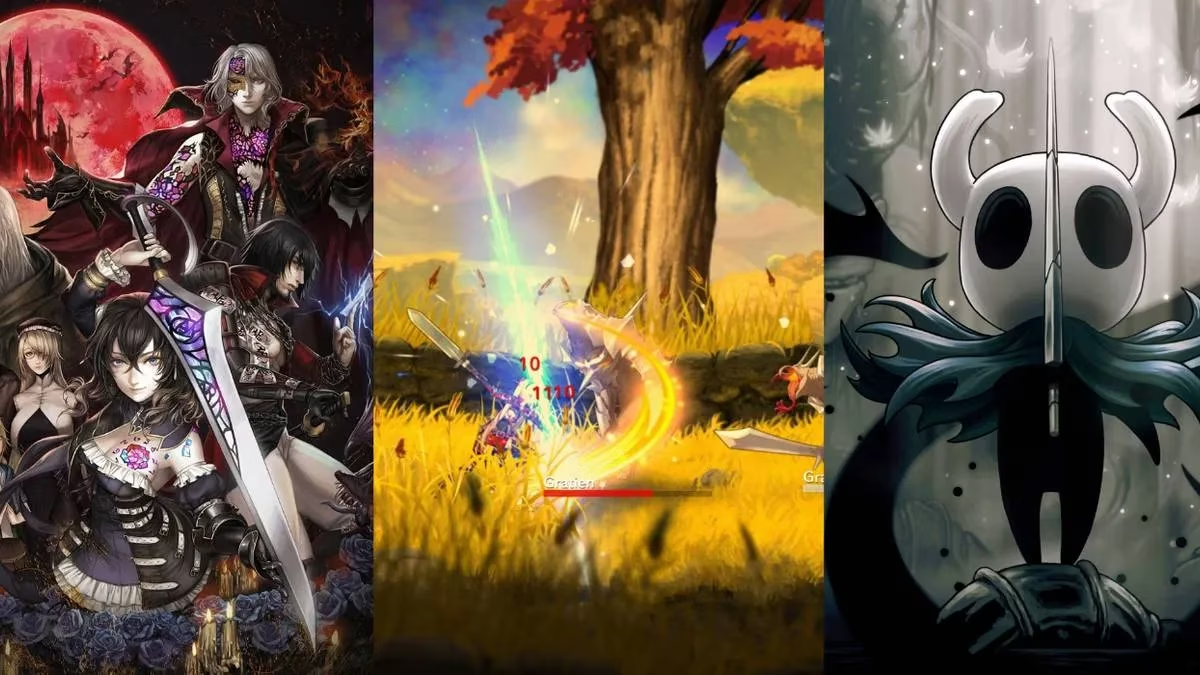
Lost Epic carved out a niche by blending flashy anime aesthetics with old-school action, and the games below follow suit in clever ways. Some lean into horror, some into meta humor, and others into pure combat bliss. The common thread is simple: they are all worth a look, especially for players who like their indie games with a little bite.
| Game | Vibe | Why It Clicks |
|---|---|---|
| Darxanadon | 8-bit horror-fantasy | Old-school challenge and punchy RPG hooks |
| HunterX | Anime demon-hunting | Fast combat and loads of moves |
| Dragon Marked For Death | Dark fantasy action-RPG | Four distinct heroes and stylish combat |
| Momodora: Reverie Under the Moonlight | Hard-as-nails metroidvania | Tight controls and a haunting world |
| Salt and Sanctuary | Grim Souls-like platformer | Deep builds and brutal fights |
| Blasphemous | Gothic pixel-art carnage | Gorgeous art and savage bosses |
| ICEY | Sci-fi meta hack-and-slash | Fourth-wall breaks and slick action |
| Ender Lilies | Gothic horror metroidvania | Unique spirit-based combat |
| Bloodstained: Ritual of the Night | Castlevania-style adventure | Magic, melee, and anime flair |
| Hollow Knight | All-time indie classic | Atmosphere, challenge, and pure polish |
Darxanadon Brings the Old-School Heat
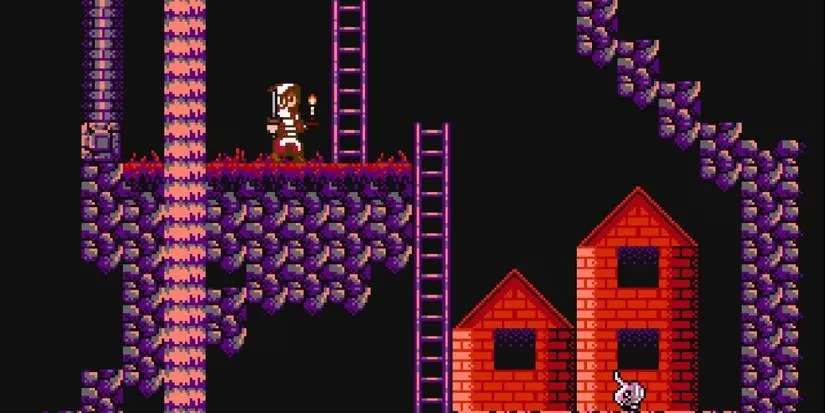
Darxanadon takes a page from 1980s 8-bit design and mixes horror, fantasy, and addictive RPG elements into one grimy package. The player controls an unnamed hero who explores a labyrinth of levels and battles demons that have risen up to conquer the land. Like Lost Epic, the RPG systems are simple enough to pick up but still fun to tinker with. The boss battles keep the game fresh, and the platforming is surprisingly challenging — a proper throwback to the unforgiving days of the NES. It is no walk in the park, but that is part of the charm.
HunterX Is an Underrated Anime Gem
HunterX checks many of the same boxes as Lost Epic: anime-inspired visuals, over-the-top action, and a young hero with something to prove. The player controls a demon hunter who crosses into another realm and must battle a host of new monsters. The side-scrolling action is intense and quick, and the seemingly endless supply of moves and items opens up a bunch of different play styles. It has not grabbed as much attention as some of its peers, but HunterX remains one of the best indie games in this lane. For players who like their combat flashy and their combos long, it brings the heat.
Dragon Marked For Death Wears Its Inspirations Well
Aesthetically, Dragon Marked For Death and Lost Epic could be twins, and the similarities do not stop there. The player controls a member of a tribe of outcasts who band together to get revenge on the evil empire that scattered them. The action is fast and intuitive, and the RPG elements keep the game enjoyable as the difficulty ramps up. Each of the four main playable characters has different strengths and weaknesses, which changes how the game plays. Some fans may not love the grinding, but the overall presentation makes up for its rough edges.
Momodora: Reverie Under the Moonlight Is a Proper Challenge
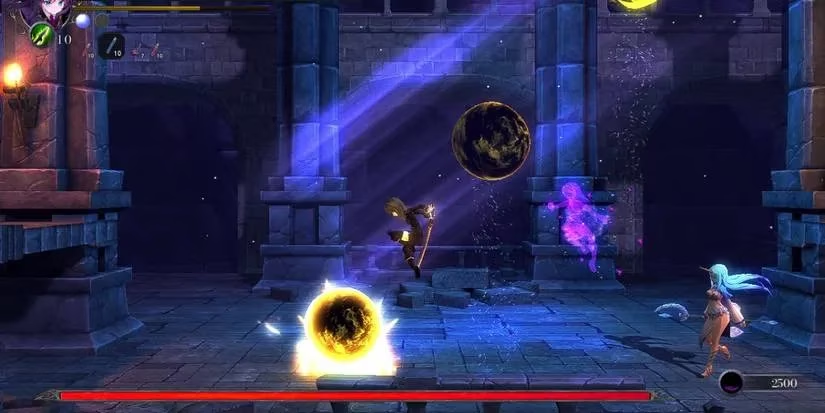
Noted as one of the most difficult metroidvania-style games of all time, Momodora: Reverie Under the Moonlight continued a beloved indie series. Set 400 years before the first game, the story follows a priestess tasked with defeating a corrupted queen responsible for a curse on the land. The game draws heavily from the side-scrolling 8-bit era, and it takes practice to fully master. It lacks the RPG depth of Lost Epic, but its gameplay is more straightforward, even if it remains non-linear like its metroidvania counterparts. Players who like a good test of reflexes will feel right at home.
Salt and Sanctuary Takes the Dark Road
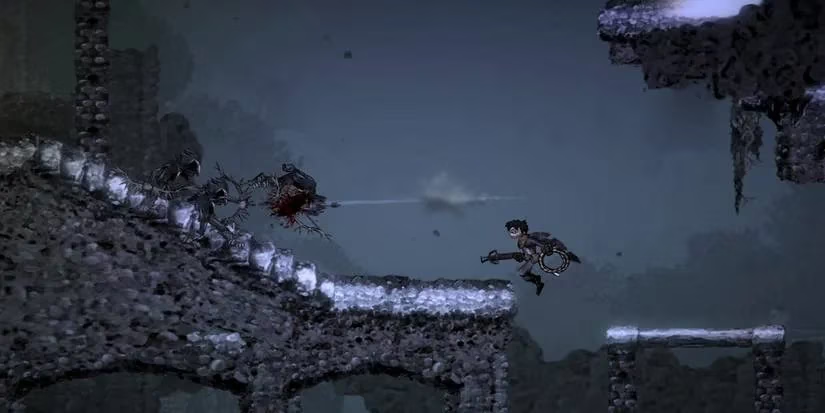
Salt and Sanctuary is perfect for casual fans of the Dark Souls games who want that punishing energy in a side-scrolling package. The player controls a knight who explores the deepest reaches of an island to uncover and defeat an unspeakable evil. Lost Epic has a brighter art style, while Salt and Sanctuary is not afraid to present a more dour tone, and the combat matches that mood. It is incredibly difficult, and the enemy variety keeps things fresh as the player hacks through the story. Despite its 2D presentation, the RPG elements are incredibly detailed, and the skill tree offers hundreds of potential combinations.
Blasphemous Drips With Style and Blood
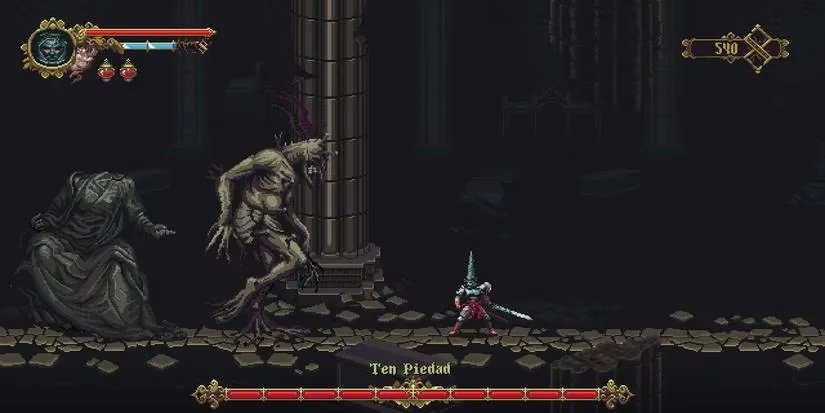
Blasphemous plays like a lost gem from the SNES era, featuring bright pixel art and an incredibly brutal story. The player controls a warrior from the land of Cvstodia and hacks through hordes of enemies and over-the-top boss battles. Tonally, the game is diametrically opposed to Lost Epic, but the gameplay is very similar and equally fun to pick up and play. It is gorier than the usual indie game, and it is far and away more challenging than most. Even so, its fascinating and terrifying world has been enough to captivate players and keep them coming back for more.
ICEY Breaks the Fourth Wall
The gameplay of ICEY is not what makes it unique — it is the meta-style commentary and storytelling that helps it stand out. The player controls a cyborg named Icey who is determined to defeat the evil robot Judas, who destroyed the world for unknown reasons. The game follows a narration, but the player can choose to ignore it, which results in the fourth wall being broken. The hack-and-slash gameplay is familiar to fans of Lost Epic, though ICEY opts for sci-fi over fantasy. Either way, it is a fun and intuitive piece of curiosity that has a lot to say about video game development in general.
Ender Lilies Brings Gothic Horror to the Platforming Party
Generally considered one of the best horror-based metroidvania games, Ender Lilies brings a gothic vibe to the world of platforming. Playing as Lily, the last surviving priestess, the player explores a world tormented by oppressive rains that turn victims into the undead. Lily must find the source of the rain and put a stop to the world's torment. Unlike the hacking and slashing of Lost Epic, Ender Lilies has a novel combat system in which reanimated souls do the fighting for the player. Exploring unlocks new skills, but players must be conservative with their abilities or rest to recharge. Standing out in a crowded indie market is difficult, but Ender Lilies did so by presenting an utterly unique gameplay experience.
Bloodstained: Ritual of the Night Carries the Castlevania Torch
Developed by some of the minds behind the Castlevania series, Bloodstained: Ritual of the Night is a spiritual successor to the classic franchise. Years after almost being sacrificed to a demon, Miriam journeys to stop Gebel from destroying the world in a quest to get revenge on the Alchemy Guild. Its complicated plot aside, the game features all the fun hack-and-slash action fans have come to expect from Castlevania games. A true metroidvania platformer, Bloodstained also features anime-inspired art design that brings it in line with Lost Epic. The action is fast and exciting, and the combination of magical abilities with traditional melee attacks allows for plenty of variety.
Hollow Knight Remains the Benchmark
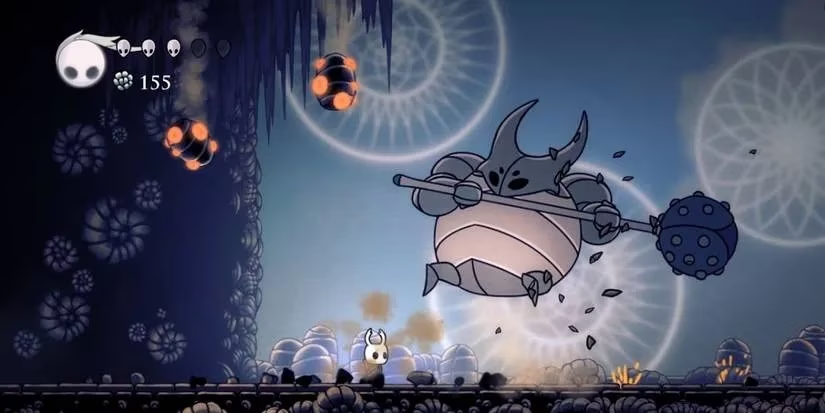
Truly one of indie gaming's biggest smash hits, Hollow Knight offered the best of all the genres it blended together. The player controls the titular knight as he explores the kingdom of Hallownest, which has been overrun by a supernatural disease. Hollow Knight initially wowed with its unique visual style and story, but the amazingly addictive gameplay is what has kept players coming back for more. Even though the game has no RPG elements like Lost Epic, the combat mechanics and side-scrolling style are very similar, and both games share a metroidvania structure. In 2026, it is still the benchmark for the genre — and no shade to the others, but it is hard to top.
The Bottom Line
Lost Epic left a mark because it understood how to mix style, challenge, and progression without losing the fun. The games above do the same thing in their own ways. Some are tougher, some are stranger, and some are just plain prettier, but all of them are worth a spot on a player's backlog. Whether someone is in the mood for a gothic metroidvania, a meta sci-fi romp, or a pixel-art punch-up, there is a gem here waiting to be discovered. 🕹️