
I Went Looking for Soulslike Comfort Food and Found Six Strange Homes
I did not set out, in 2026, to become a collector of Soulslikes. I just wanted that specific feeling again: a foggy corner, a bonfire-ish checkpoint, a boss whose tells I had to learn with my whole body. After another run through a FromSoftware favorite, I started wandering into games that borrowed the formula. Some wore the inspiration like armor. Others wore it like a costume. The ones that stayed with me were not the purest copies. They were the ones that took the bones of the genre and built a strange little home around them.
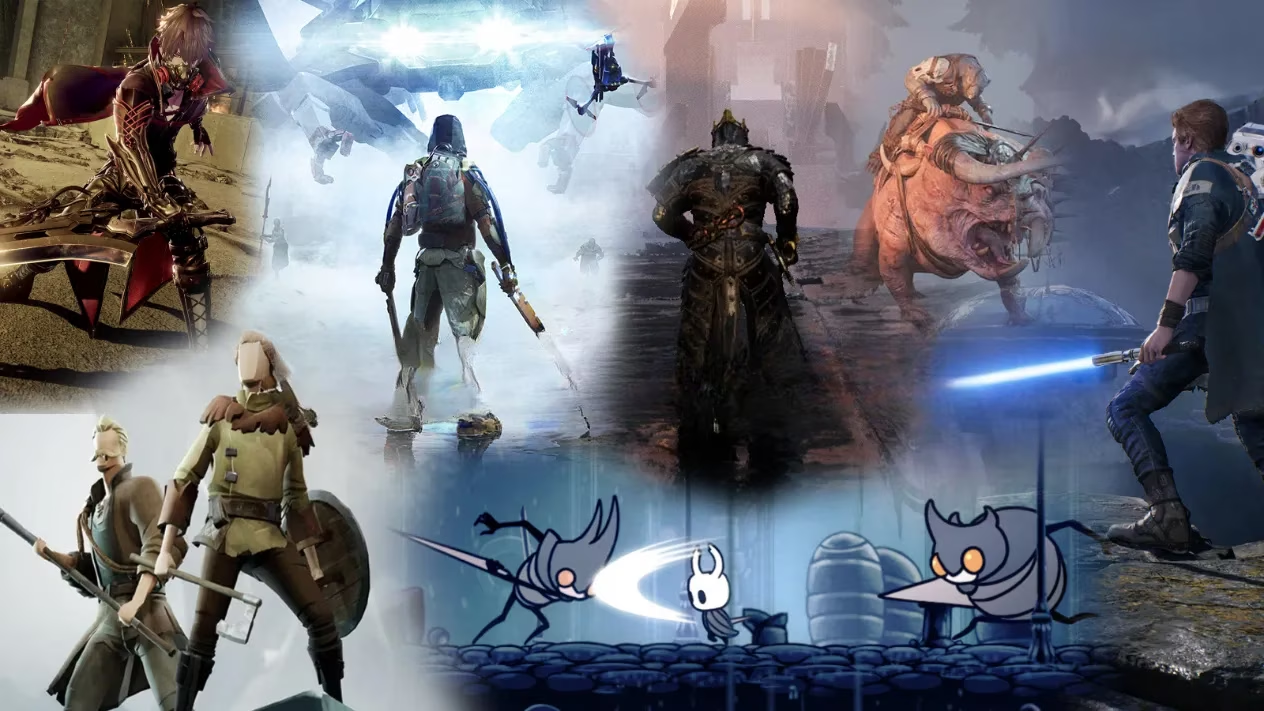
That is the thing about the Soulsborne shadow. It is long. From Demon's Souls in 2009 onward, FromSoftware kept sharpening a style—deliberate combat, punishing death, cryptic worlds, and bosses that feel like exams—and a whole quasi-genre grew up in that shade. I like that the term Soulslike is messy. It is less a rulebook and more a vibe: stamina, risk, checkpoint anxiety, and a world that refuses to explain itself. When a game gets those ingredients right, I forgive a lot. When it adds something of its own, I remember it.
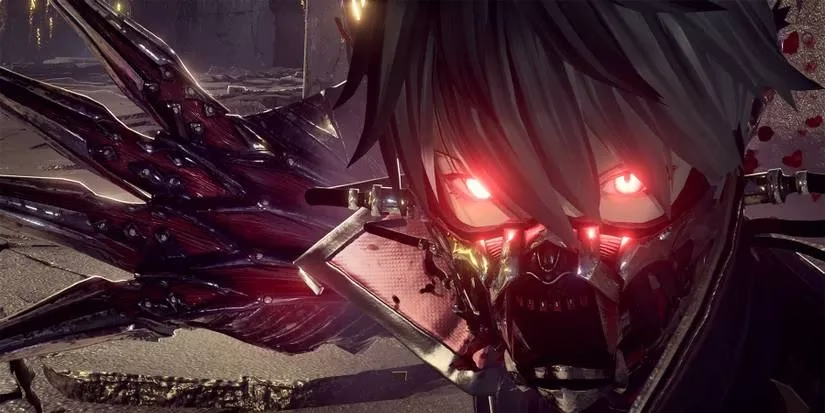
Code Vein was my first stop, and I went in expecting anime nonsense with a stamina bar. I got anime nonsense with a stamina bar, and I loved it more than I expected. The post-apocalyptic dystopia, the vampiric fighters who are basically corpses with a fashion sense, and the grotesque enemies all felt like they could have crawled out of a Souls game's nightmare. Reviews were mixed, and I understand why. But its campy anime look gives it a personality that many Soulslikes lack. I spent hours tinkering with builds and blood codes, and the game kept giving me reasons to push one more corridor.
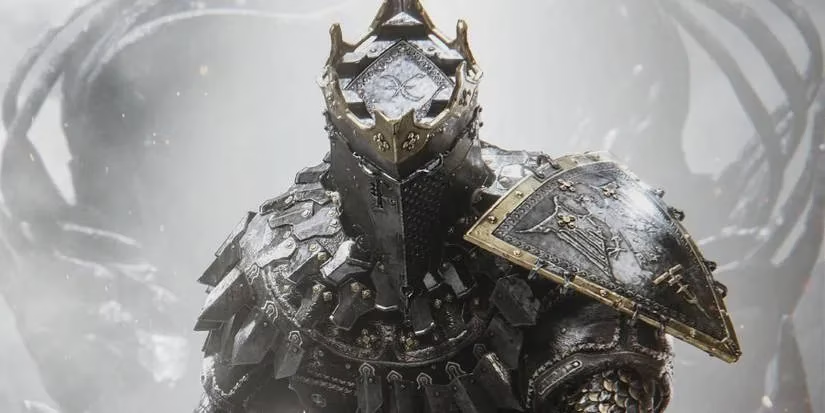
Mortal Shell was next, and it surprised me by being small in the right way. I finished it in roughly ten hours, which is short for the genre, but it did not feel thin. The Shell mechanic—jumping into different bodies with their own abilities and playstyle—gave me a reason to experiment instead of just grinding. Its labyrinthine environments hid secrets, and the dark fantasy mood was thick enough to cut. It is one of the more overlooked Soulslikes, a niche little thing with clear FromSoftware DNA. I liked that it did not try to be a hundred-hour epic. It tried to be a mood, and it succeeded.
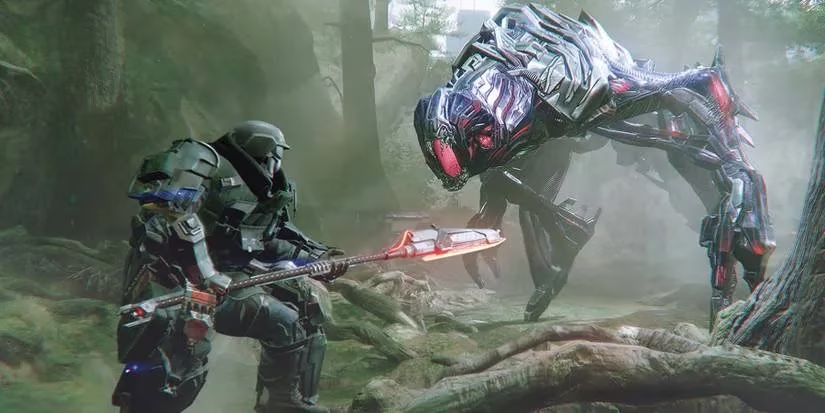
The Surge 2 pulled me into science fiction, which is still rare in this space. Jericho City is bleak, futuristic, and full of people who have made bad decisions with industrial equipment. The dismemberment system is the hook: I cut off parts to collect better gear and customize my armor, and the world felt more interactive because of it. I also loved the parry system, which added a layer of challenge that made combat feel like a conversation instead of a button mash. The graffiti messages left by other players were a nice touch, too—a small echo of FromSoftware's asynchronous weirdness. It is not the most highly rated Soulslike, but it is one I keep recommending.
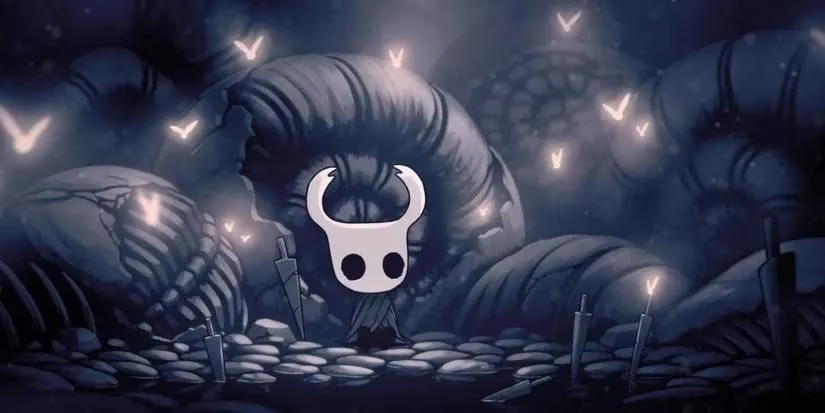
Then there is Hollow Knight, which some purists will argue is not a Soulslike at all. Fair enough. It is a Metroidvania first. But the combat, the boss fights, and the feeling of being repeatedly humbled by a cute bug all scratch the same itch for me. Hallownest is vast, winding, claustrophobic, and beautiful. I got lost in its burrows for hours, and every shortcut I opened felt like a small victory. In 2026, with Silksong finally out in the world, I still think the original stands as an instant classic. It is proof that a Soulslike can wear a cartoon mask and still hit like a truck.
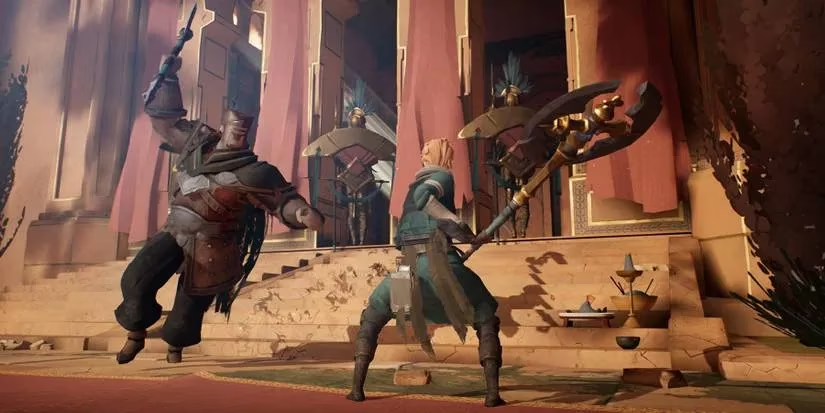
Ashen was the quiet one. Its cel-shaded look and sunless world gave it a distinct identity, and the premise—searching for a new home in a world without sunlight—kept me moving. I could work with other players or against them, and that ambiguity made the journey feel less lonely and more dangerous. The mythical monsters and varied regions made the world feel bigger than its indie budget. It was a fresh take on a familiar formula, and it remains one of my favorite indie achievements in the genre.
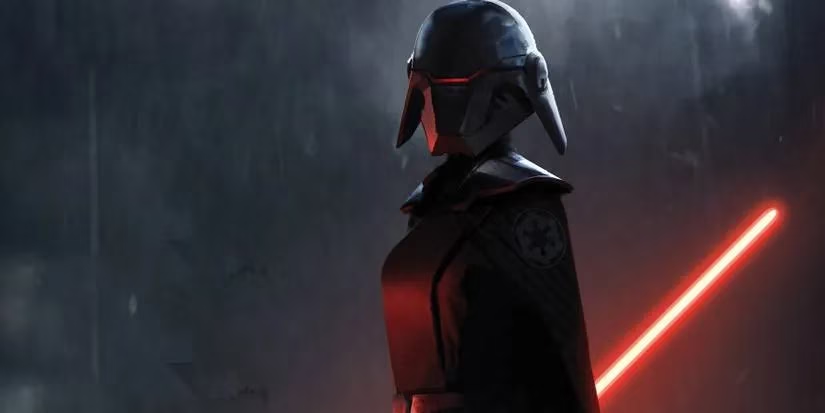
Finally, Star Wars Jedi: Fallen Order showed me how well the Soulslike skeleton can fit under a blockbuster jacket. Cal's meditation checkpoints, the respawning enemies, and the boss fights that demand pattern recognition all felt familiar. The lightsaber combat and Force powers gave it a different rhythm, and the planets were fun to explore. It is not as punishing as a FromSoftware game, but it understands the tension of a checkpoint and the relief of a shortcut. It is one of the best recent Soulslikes, and it proves the genre can be welcoming without losing its teeth.
| Game | What I remember most | Why it stuck with me |
|---|---|---|
| Code Vein | Blood codes and anime vampires | Bold aesthetic, fun build tinkering |
| Mortal Shell | Shell swapping | Short, moody, focused |
| The Surge 2 | Dismemberment and parries | Sci-fi spin with crunchy combat |
| Hollow Knight | Hallownest's winding paths | Cute but brutal, classic |
| Ashen | Sunless co-op journey | Cel-shaded indie charm |
| Jedi: Fallen Order | Meditation checkpoints | Blockbuster Soulslike done right |
None of these games are FromSoftware. That is the point. They are conversations with the formula, not clones. As an ordinary player, I do not need every Soulslike to be a perfect imitation. I need it to understand why the formula hurts so good, then add a voice of its own. In 2026, that is still what I look for: a strange home built in the shadow of a bonfire. 🕯️