
Hollow Knight vs Ori and the Blind Forest: The Ultimate Metroidvania Duel
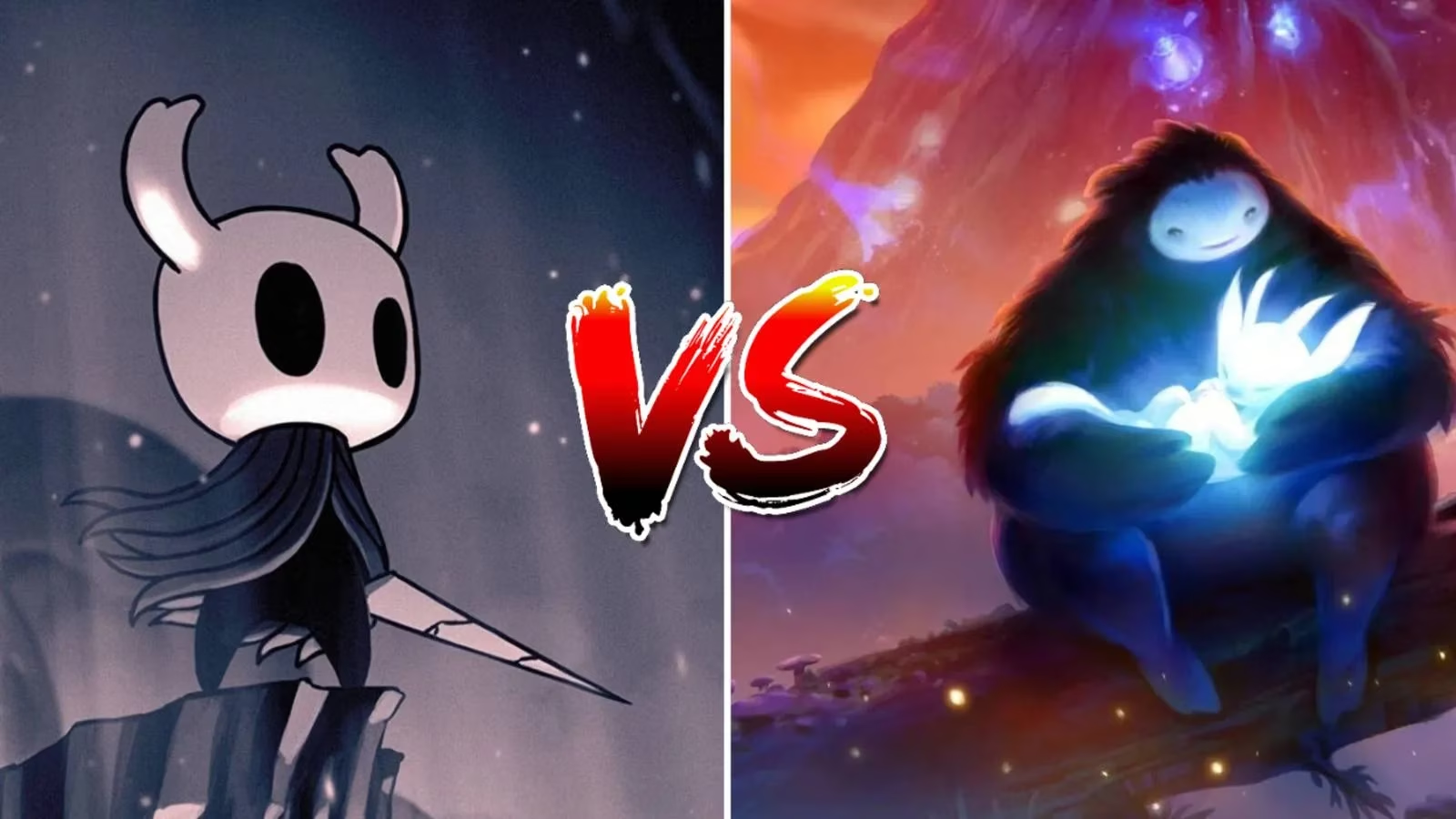
In the sprawling kingdom of Hallownest, a little knight with a cracked mask sat by a bench, nail resting on his knees. Across a shimmering forest, a guardian spirit named Ori flitted between glowing branches, humming a quiet tune. Their worlds could not feel more different, yet both had become legends of the Metroidvania scene. As the two titans sized each other up from opposite sides of the genre, it was time to ask the question players have debated for years...
Combat - Hollow Knight
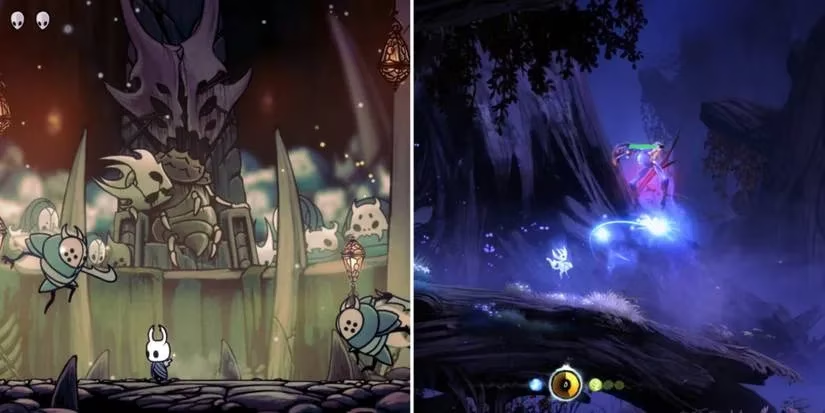
The little knight stepped into the arena with a mean nail slash. He was not here to chat. From the very first minute, Hollow Knight made its priorities clear: combat was the beating heart. The knight could slash up, down, left, right, bounce off enemies like a pogo stick, and turn gathered Soul into powerful spells. It felt like a true dance of blades. Ori, by comparison, could toss homing flames with a simple tap, but those flames acted more like a gentle nudge than a statement. Hollow Knight's bosses—hulking, fast, and unforgiving—didn't care about hurt feelings. It was a no contest.
Platforming - Ori And The Blind Forest
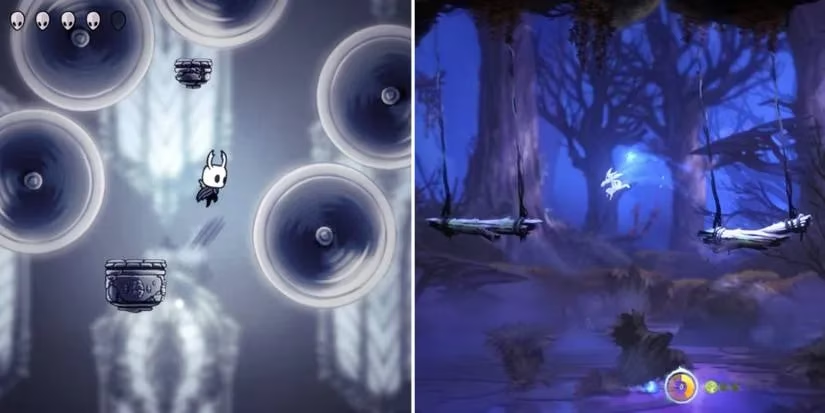
Then the forest spirit stretched, and the ground beneath him became a playground. Ori's Bash ability was the star of the show: it allowed him to springboard off enemies, projectiles, and anything that moved, turning every encounter into a puzzle of momentum. Hollow Knight had a wall jump, dash, double jump, and more, but his platforming often played second fiddle to combat. Ori's whole world was built for flight and flow. If combat was the knight's home turf, the treetops belonged to Ori.
Exploration - Hollow Knight
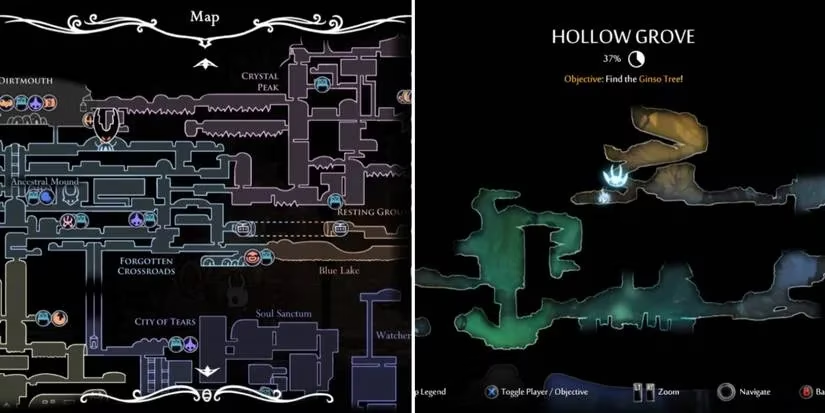
When it came to wandering, the knight pulled out a map that seemed to have been drawn by a spider with a sense of humor. Hallownest was vast, tangled, and delightfully unfair, offering entire optional areas and bosses hidden behind breakable walls and forgotten corridors. The act of charting the world—buying maps, filling in new passages—was its own quiet reward. Ori's path was lovely, but it mostly moved forward with a few side trails. Let's be real: Hollow Knight's map was the kind of place you could get lost in for hours and thank it afterward.
Skill Progression - Hollow Knight
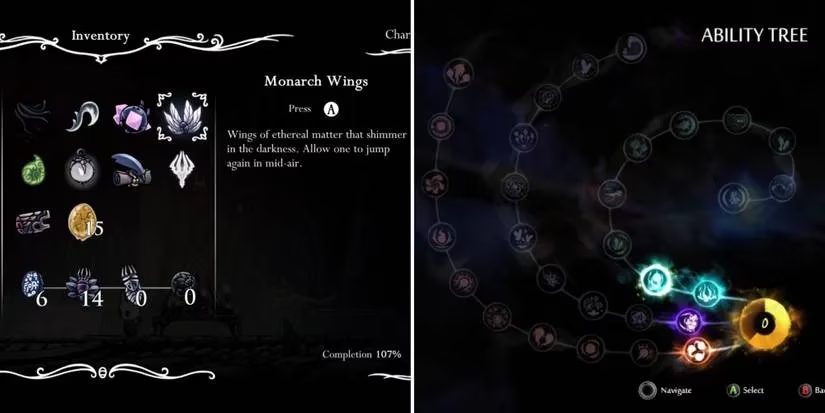
Both heroes collected new tools like kids collecting candy, but the knight's toolbox felt more like a choose-your-own-adventure. After a short while, the brave little wanderer could grab abilities in nearly any order, letting players shape their journey. Ori's progression was elegant and steady, always pushing forward, but it held your hand a bit more. The knight's open-ended approach meant two players could have completely different trips through the same crumbling kingdom. That variety earned him the win here.
Narrative - Ori And The Blind Forest
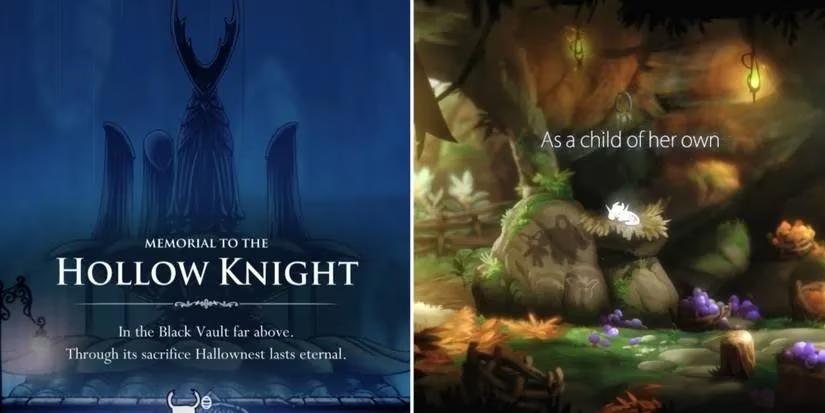
Story time. Hollow Knight whispered its lore in the Dark Souls manner—fragments here, a cryptic line there, leaving players to piece together tragedy from item descriptions and weary NPCs. It was haunting, but it demanded patience. Ori told its tale differently: gentle text appeared over the action like thoughts drifting through a dream, accompanied by ghostly memories and wordless moments that made the forest feel alive. The story of a spirit trying to save a fading wood was simple, but it landed with surprising warmth. Ori won by making the player feel the story rather than decode it.
Visuals - Ori And The Blind Forest
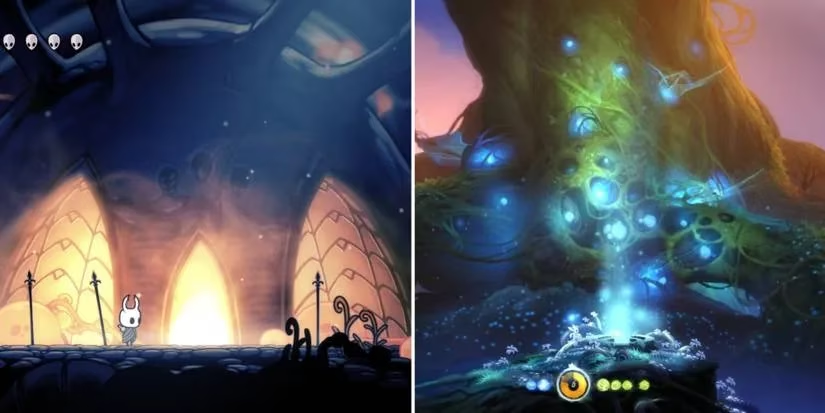
Visually, both games were stunners. Hollow Knight's muted palette and deep shadows gave Hallownest a somber, hand-drawn beauty. But Ori was pure spectacle. Every frame looked like a painting you'd want to hang on a wall. The way light filtered through leaves, the glow of spirit energy, the soft bloom around every platform—it softened even the most punishing sequence. Screenshot any moment, and it could pass as concept art. This category belonged to the forest.
Audio - Draw
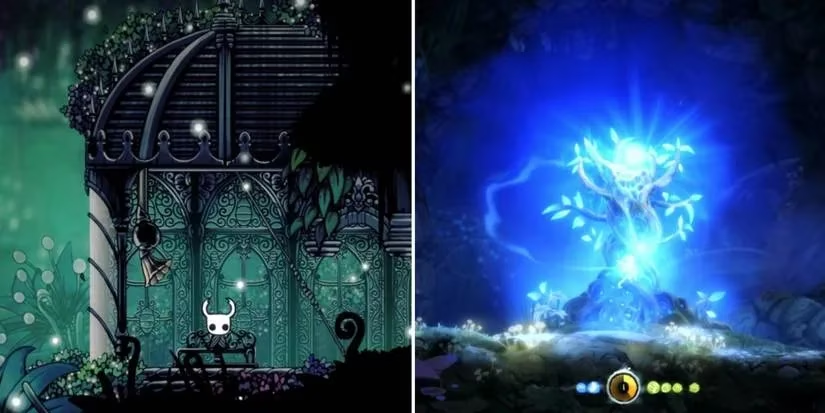
The sound category ended in a respectful bow. Hollow Knight's sound design was terrifyingly good: chittering beasts in Deepnest, dripping water in forgotten tunnels, the quiet scrape of the knight's nail. It built atmosphere through noise. Ori's soundtrack, on the other hand, swelled and breathed with the action, so melodic it could be enjoyed on its own. Two different strengths, two equal champions. On this front, neither could claim dominance.
Verdict - It's a Draw!
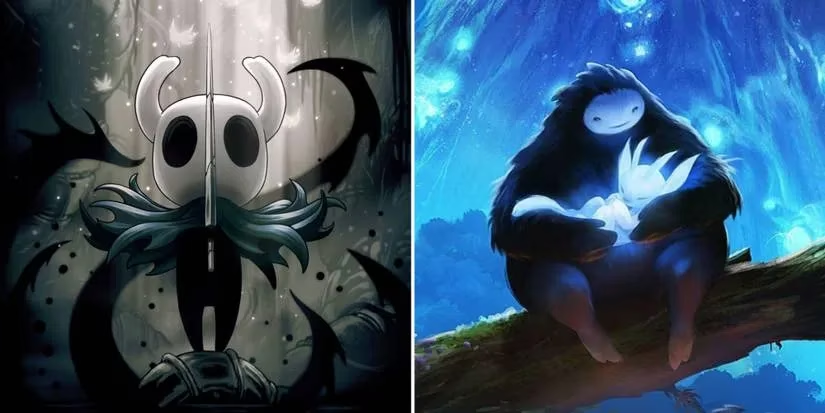
After all the dueling, the little knight and the forest spirit looked at each other and shrugged. The result was a draw. Hollow Knight offered tough combat, an impossibly rich web of exploration, and flexible progression. Ori offered spellbinding platforming, a heartfelt story, and visuals that refused to quit. Neither was strictly better; they simply asked different questions.
-
Want blade-driven combat and a sprawling, open world? Hollow Knight.
-
Want graceful movement and a story that glows? Ori and the Blind Forest.
In 2026, both remain touchstones for Metroidvania fans. If one game leaves you bruised, the other will offer a soft place to land. That's the beauty of the genre—there is room for both shadows and light.