
Hand-Drawn Worlds That Still Own My Heart in 2026
I’m not the kind of player who chases photorealistic pores on a soldier’s face. Give me ink, watercolor, and a little bit of weirdness. So when I booted up Return to Monkey Island again in 2026—yes, again—I felt that familiar tug. The game first launched on Sept. 19, 2022, and its hand-drawn style still feels like a warm, salty breeze off Melee Island. It picks up right after Monkey Island 2, while winking at the other sequels, and it proves that a series can grow up without losing its goofy soul.
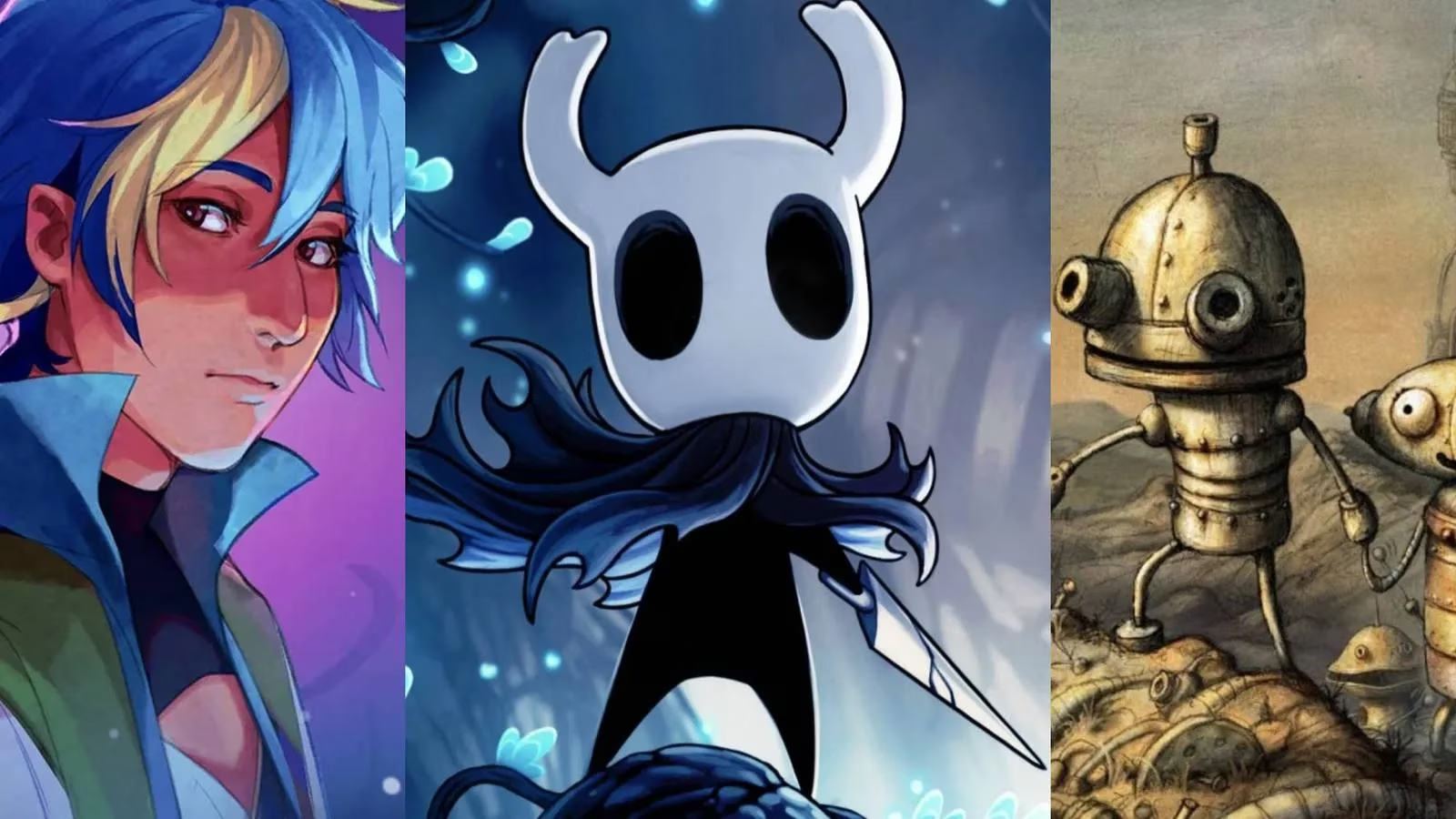
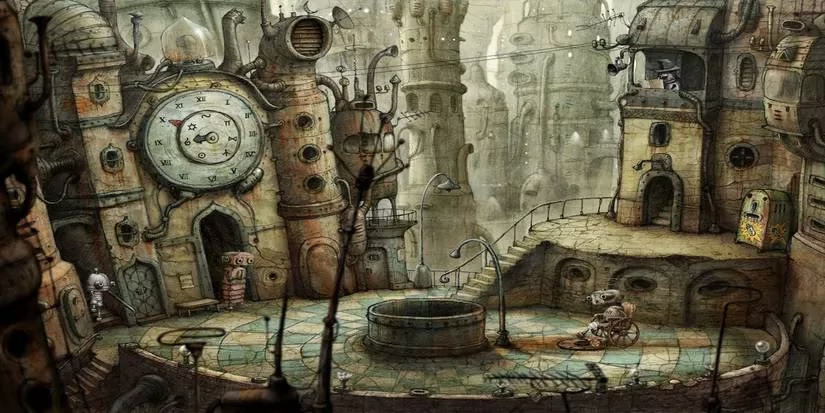
Then my brain hops to Machinarium. I mean, come on—a silent point-and-click adventure about a little robot named Josef trying to save Berta from the Black Cap Brotherhood? Amanita Design built a post-apocalyptic steampunk city where every rusted gear and crooked chimney tells a story. No dialogue needed. The puzzles just click, and the world hums like an old friend.
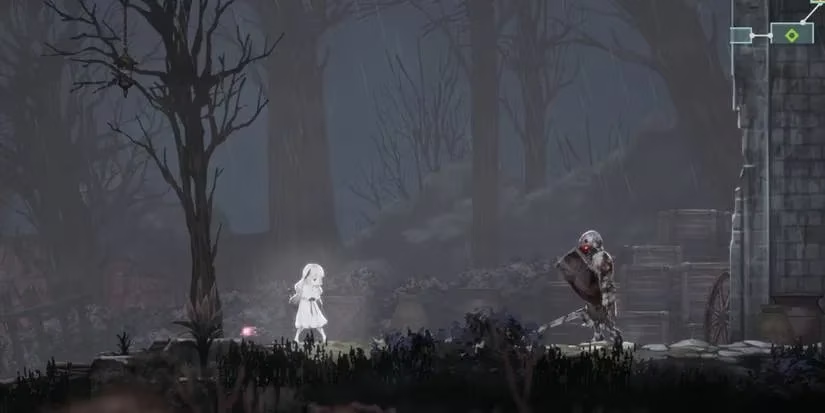
Horror and hand-drawn art can also hold hands. Ender Lilies: Quietus of the Knights came out in 2021, and it still haunts me. Lily, an amnesiac White Priestess, wakes in a ruined sanctuary while endless rain turns everything into Blighted creatures. She purifies spirits and then summons them to fight. The animations flow like ink in water, and the somber visuals make every boss room feel like a funeral I volunteered for.
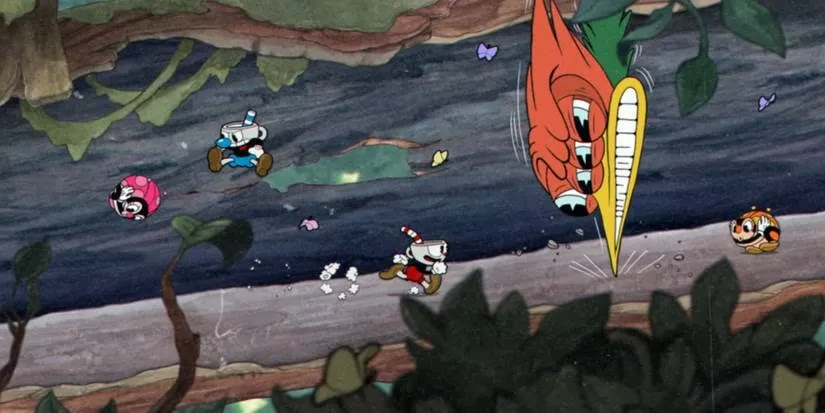
But if I want pure joy with a side of rage, Cuphead is my go-to. Inspired by 1930s Fleischer cartoons, the 2017 run-and-gun uses traditional hand-drawn cel animation and watercolor backgrounds. The jazz soundtrack, the old film filter, the rubber-hose limbs—it all feels like a lost cartoon that escaped from a vault. My brother and I still argue over who gets Mugman. (He always loses.)
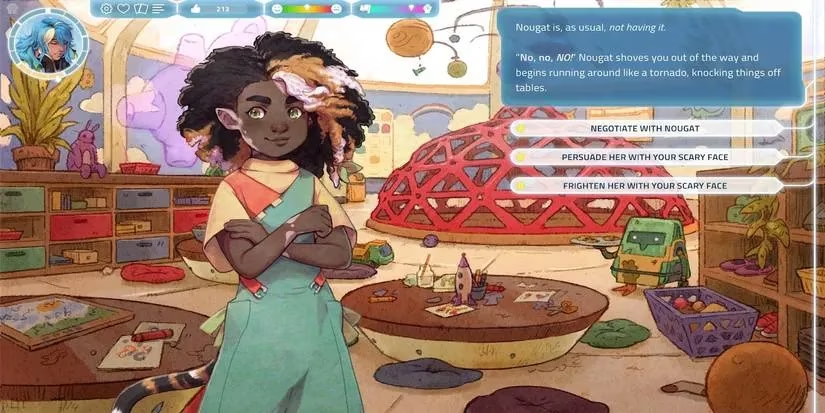
I Was a Teenage Exocolonist arrived on Aug. 25, 2022, and it’s a solar punk visual novel deck-building RPG. You grow up on Vertumna IV, learn skills, uncover mysteries, and maybe fall in love. Every choice becomes a card. The storybook visuals make the alien colony feel like a diary you can walk through. It’s Stardew Valley meets existential dread, and somehow that’s comforting.
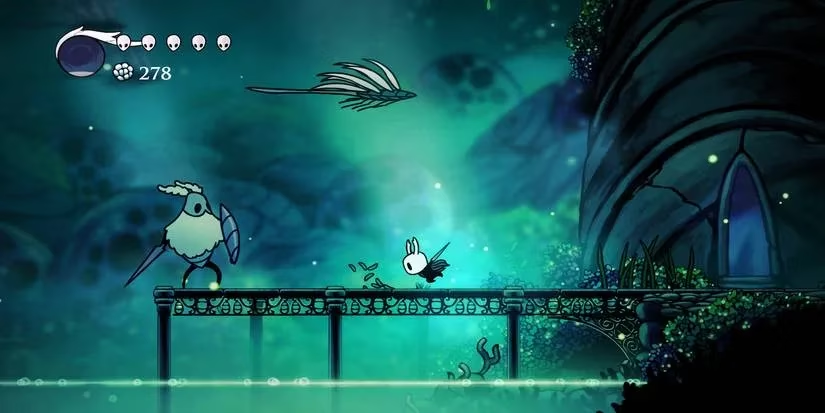
Hollow Knight, though—that’s the one that made me put down my controller and stare at the wall. The 2017 2D Souls-like follows a nameless insectoid Knight through Hallownest, a kingdom corrupted by The Infection. You hunt three Dreamers, open a door, and face the source. The environments are stunningly detailed, the characters are adorable, and the difficulty is a polite war crime. With Hollow Knight: Silksong finally out in 2025, the wait became a memory, but the original still stings in the best way.
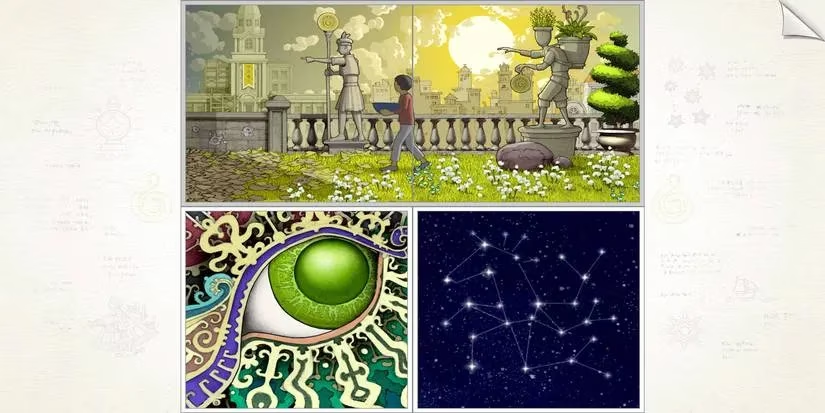
Gorogoa is a different beast. Released in late 2017, this award-winning puzzle game tells a wordless story about a boy and a divine beast. You manipulate a two-by-two grid, overlapping panels, zooming in, clicking details. The storybook images are so detailed that they practically whisper their secrets. It’s the kind of game I play when I want my brain to feel like it’s solving a beautiful dream.
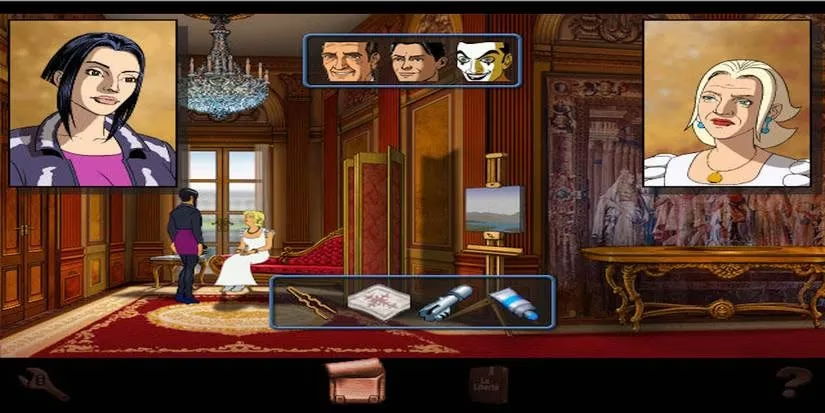
Broken Sword: Shadow of the Templars first came out in 1996, and its hand-drawn style still stands out. George Stobbart and Nico Collard investigate murders tied to the Assassins and Templars. The Director’s Cut adds a Nico campaign, though the new art clashes a bit with the original. Still, the charm is undeniable. It’s like opening a dusty atlas and finding a conspiracy inside.
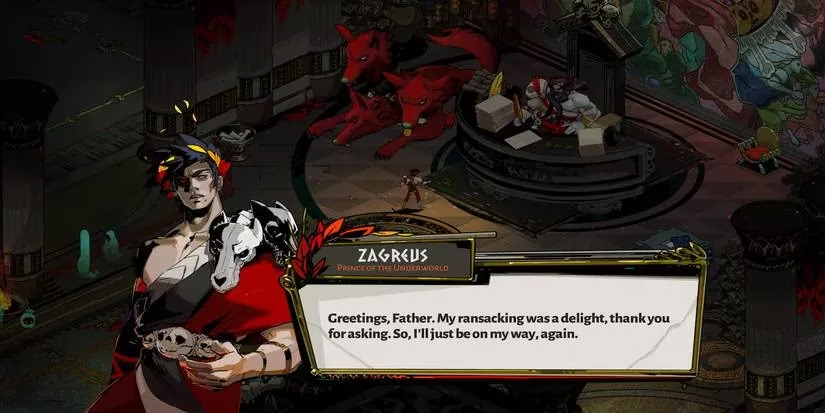
Supergiant Games has always been gorgeous, but Hades is their crown jewel. Zagreus, son of Hades, fights through the Underworld to meet Persephone. Every character portrait is memorable, every environment packed with tiny details. You can read a character’s whole personality from their design. The action roguelike loop is addictive, but the art is what keeps me coming back.
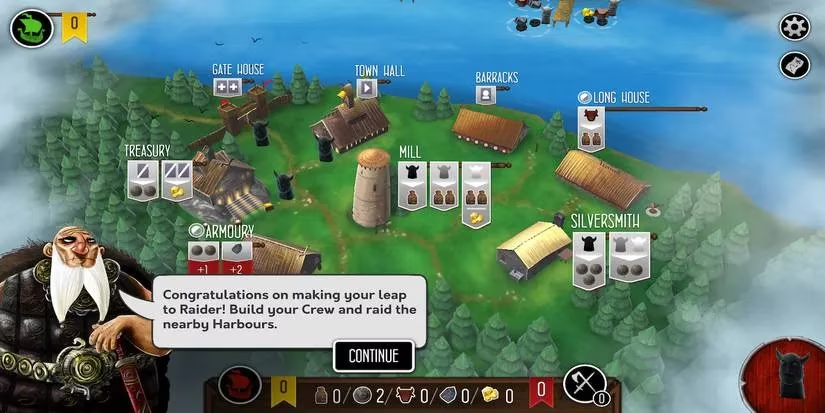
Not every hand-drawn gem is an epic. Raiders of the North Sea, a 2019 digital adaptation of the 2015 board game, is a worker-placement strategy where you lead Vikings to raid and bring treasure back to the Chieftain. The simple art style gives it character without distracting from the tactics. It’s proof that hand-drawn doesn’t have to mean ornate.
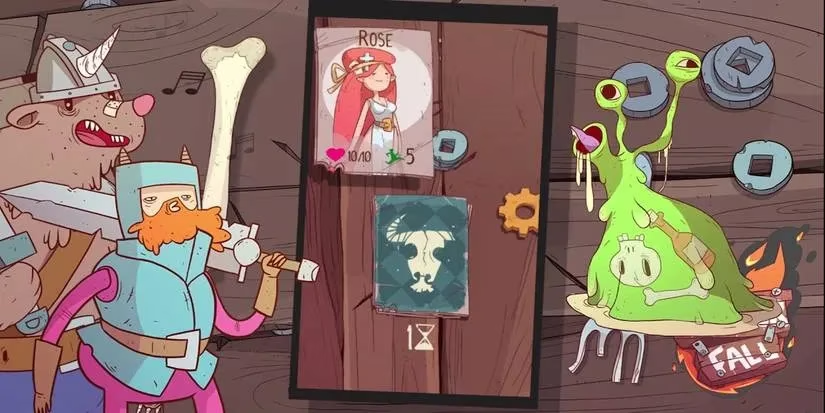
Finally, Meteorfall: Journey. This mobile deck-building roguelike was inspired by Dominion and Dream Quest. You pick one of six heroes, fight bosses, collect over 150 cards, and try to stop a meteor from destroying the world. The cartoonish art pulls you into a wacky science fantasy world. It’s the perfect commute game—quick, colorful, and secretly deep.
So here’s my 2026 take: photorealistic graphics age like milk, but hand-drawn worlds age like wine. They breathe. They wink. They leave space for your imagination to fill in the margins. And honestly? That’s the kind of game I want to get lost in.
Maybe that’s why I keep returning to these titles. Not because they’re perfect, but because they feel human—even when they’re about robots, insects, or gods.
Now, if you’ll excuse me, I have a date with a certain three-headed monkey. 🐒
Data referenced from CNET - Gaming helps frame why hand-drawn games like Cuphead, Hollow Knight, and Return to Monkey Island keep resonating years later: visual styles rooted in illustration, animation history, and strong art direction often outlast technical spectacle, giving these games a timeless identity that still feels fresh in 2026.